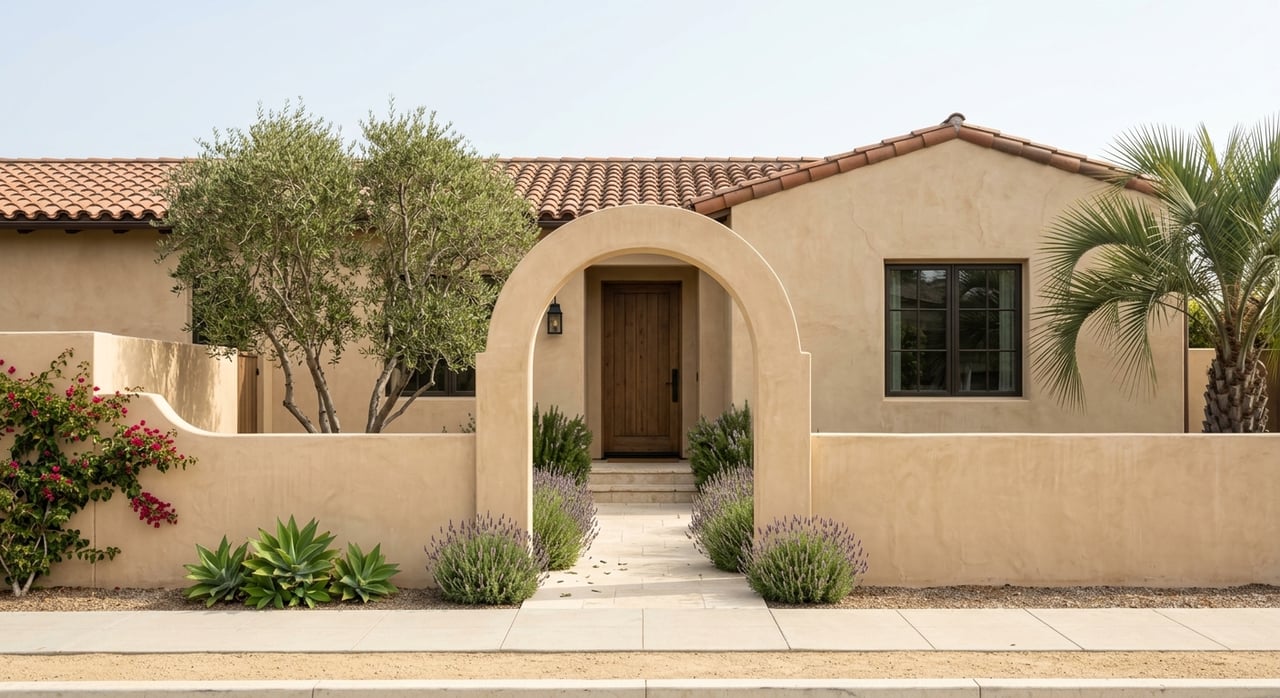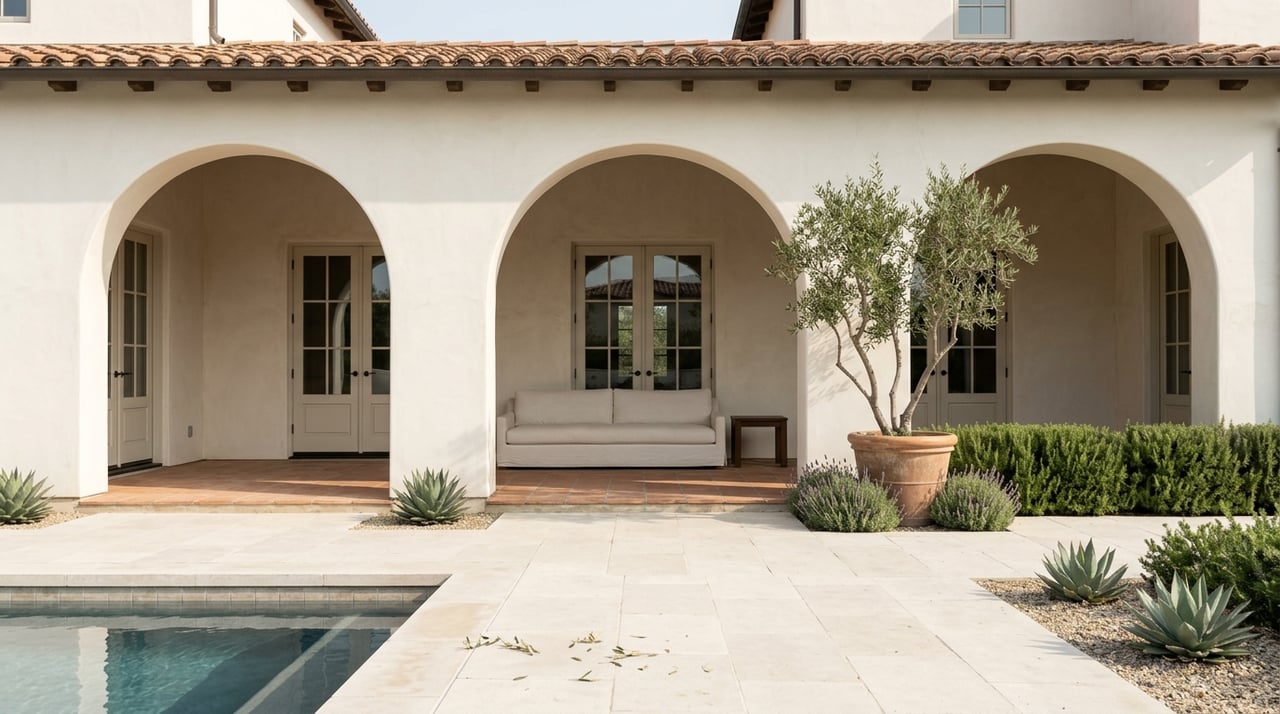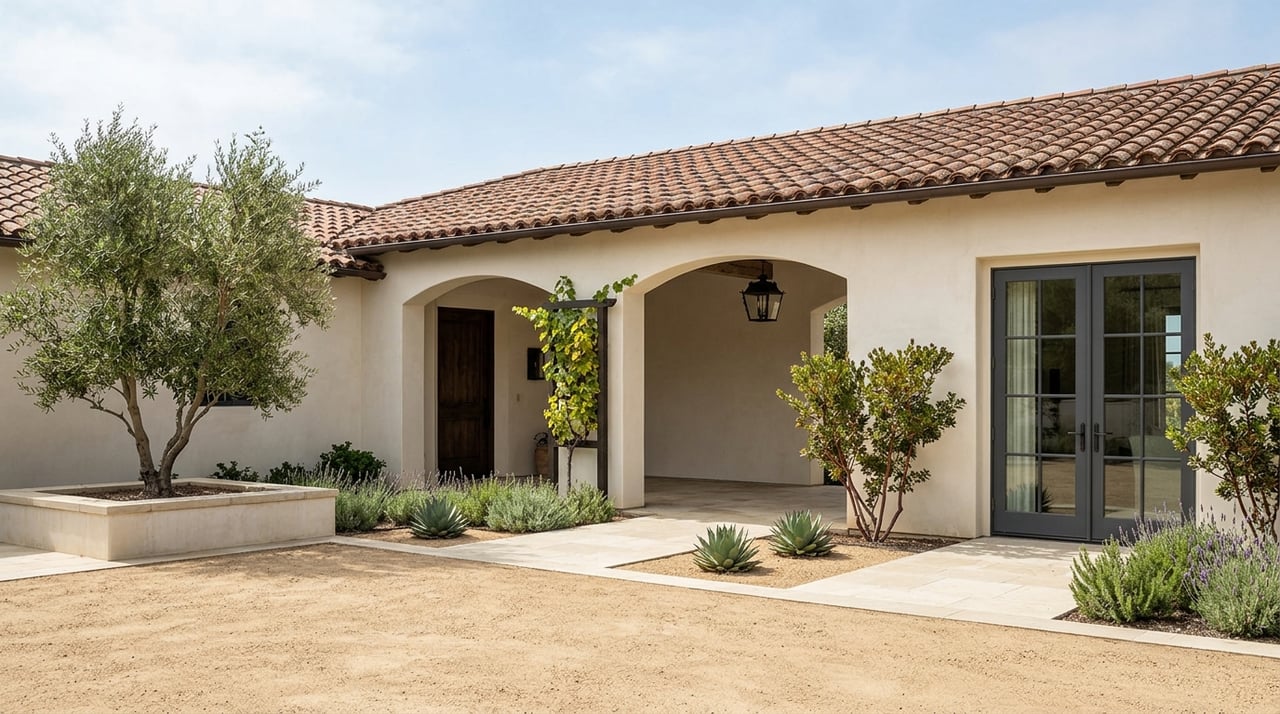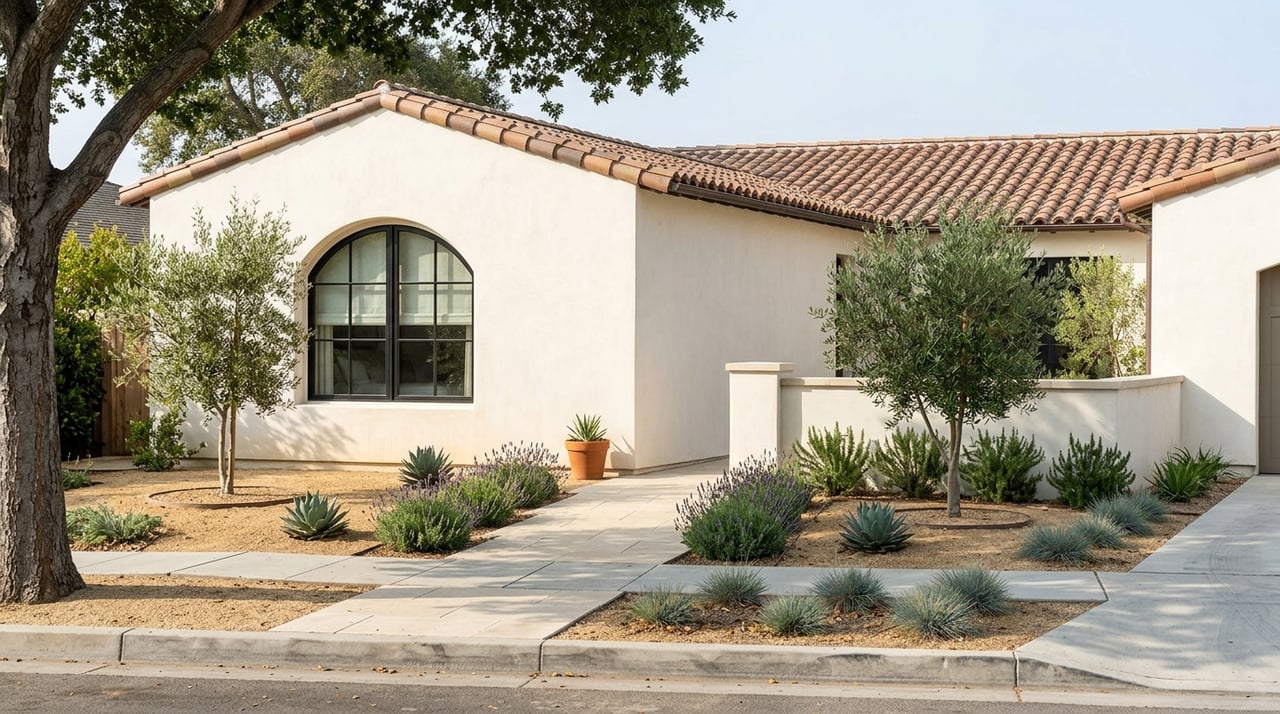
If you are wondering whether Summerland feels like a destination or a real place to live, the answer is both. Day to day, this small coastal community offers a slower rhythm built around the beach, a compact main street, and familiar local stops that become part of your routine. If you are thinking about buying in the area or simply trying to picture everyday life here, this guide will help you understand what living in Summerland actually feels like. Let’s dive in.
Summerland feels small on purpose
Summerland is an unincorporated community in southern Santa Barbara County, and its community plan is designed to preserve the area’s distinct atmosphere. According to the 2020 Census profile, it had 1,222 residents, 740 housing units, and a population density of 874.8 people per square mile. That compact scale shapes nearly everything about daily life.
This is not a sprawling town with long commercial corridors and constant activity. Summerland feels more like a coastal village, with homes and local businesses closely tied to the landscape. You notice that sense of scale quickly, whether you are walking near the beach or moving through town on a typical weekday.
The setting shapes the lifestyle
Summerland sits between Santa Barbara and Carpinteria, with the planning area bounded by Ortega Ridge Road, the Montecito Planning Area, Padaro Lane, and the Pacific Ocean. Most of the area falls within the Coastal Zone, which helps explain why the natural setting plays such a large role in everyday life.
The town’s original subdivision dates back to 1888, when it was laid out as a spiritualist community with narrow 25-by-50-foot lots on a steep slope. Santa Barbara County notes that building remains challenging because of those small lots and the hillside terrain. For you as a resident, that often translates to a place that feels intimate, layered, and physically constrained in a way that sets it apart from more conventional suburban communities.
The beach becomes part of your routine
In Summerland, the coast is not just something you visit on weekends. It is woven into the day. Summerland Beach at Lookout Park is one of the town’s main anchors, with a bluff-top park, paved path, ramps to the sand, parking, picnic tables, a playground, and restrooms.
That kind of access changes how a place feels to live in. Instead of planning around a long outing, you can picture a quick beach walk in the morning, time at the park in the afternoon, or a simple stop to watch the ocean at the end of the day. The beach becomes part of the local rhythm rather than a special event.
Lookout Park connects town and shore
One of Summerland’s practical advantages is how closely the beach and town center sit together. Local guides note that many people park once and walk between the beach, cafes, and shops. That layout supports a more relaxed, less car-dependent routine for short local outings.
The beach itself also offers room to stretch out your day. The sand extends far enough for longer walks toward Montecito or Carpinteria, and Summerland Beach is the only South Coast beach where horseback riding is allowed. Even if that is not part of your routine, it adds to the area’s distinct coastal character.
Lillie Avenue sets the everyday pace
If the beach is one half of Summerland living, Lillie Avenue is the other. Summerland is known for antique shops, home goods, and small retail businesses along Lillie Avenue and Ortega Hill Road. Names often highlighted in local guides include Summerland Antique Collective, Mary Suding Antiques, The Well, Botanik, Bikini Factory, Indian Summers, Bonita, and Godmothers.
For residents, this creates a day-to-day experience built around short, repeatable stops. Instead of tackling a long list of errands in one large retail center, you are more likely to grab coffee, browse a shop, meet someone for lunch, and head home. The scale encourages casual routines that feel easy to return to again and again.
A few blocks make a big difference
The main commercial stretch is only a few blocks inland from the beach. That closeness helps explain why Summerland often feels so livable for people who enjoy walking between local destinations. You can move from the shoreline to the center of town without a big transition.
Field + Fort is a good example of this blend of uses, pairing a cafe with a home-and-garden boutique. In a place like Summerland, that kind of overlap matters. It supports a lifestyle where coffee, conversation, shopping, and time outdoors all fit naturally into the same stretch of the day.
Dining stays casual and familiar
Summerland’s dining scene is low-key, which is part of the appeal. Local guides commonly point to Summerland Beach Cafe, The Nugget Bar and Grill, Tinker’s Burgers, Red Kettle Coffee, Feast at Field + Fort, and Dart Coffee Co. as everyday options.
This is not a place where daily life revolves around constant new openings or a packed nightlife scene. Instead, the dining pattern feels familiar and repeatable. You are likely to find yourself returning to the same few places because they are convenient, comfortable, and woven into the town’s routine.
Local places create local rituals
Summerland Beach Cafe adds to that sense of continuity because it is housed in a historic Victorian home. Details like that contribute to the lived-in character of the town. The setting feels established rather than newly built around trend cycles.
Over time, these places often become part of your weekly rhythm. A coffee stop before heading to the beach, a casual lunch after errands, or a familiar dinner spot midweek can all feel more personal in a town of this size.
Community life is close-knit
Because Summerland is unincorporated, community life is shaped more by local organizations and gathering spaces than by a standalone city government. The Summerland Citizens’ Association describes its role as serving the community through advocacy, preservation, and civic engagement, and its calendar includes recurring local events.
That structure matters because it gives the town a more grassroots feel. Residents often connect through shared places and recurring gatherings rather than through a large civic system. In practical terms, that can make community life feel more visible and more immediate.
Familiar faces are part of the experience
Godmothers is one example of a gathering place that goes beyond retail, with a cafe, author visits, workshops, and storytime circles. In a town with just over 1,200 residents, places like this often carry more social weight than they would in a larger market.
What that means for your day-to-day life is simple: you are likely to see the same faces often. At the beach, the bookstore, the coffee shop, or a community event, repetition becomes part of the charm. For many buyers, that sense of familiarity is one of Summerland’s biggest draws.
Practical tradeoffs come with the setting
Every coastal community has tradeoffs, and Summerland is no exception. Santa Barbara County’s community plan notes long-standing local constraints that include grading, flooding, and limited parking. Those issues are part of the practical reality of living in a small hillside community by the ocean.
For you, that means Summerland works best when you appreciate its scale and accept that convenience may look different here than it would in a larger town. The same topography and coastal location that create charm also shape how the area functions day to day.
County rules guide local living
Since Summerland is in unincorporated county territory, county planning and building rules apply. Santa Barbara County notes that building code protections cover unincorporated areas, and the local community plan addresses topics like circulation, utilities, open space, design standards, and future growth.
If you are considering a home purchase, this is useful context. In Summerland, the details of a property and its site can matter quite a bit, especially given the small lots, hillside conditions, and coastal setting. Understanding those factors is part of understanding the lifestyle.
Nearby access makes Summerland easier to live in
One reason Summerland appeals to many buyers is that it feels tucked away without feeling isolated. The area sits between Santa Barbara and Carpinteria, so broader shopping, dining, and services are still close by when you need them.
Santa Barbara MTD Route 20 serves the Transit Center, Montecito, Summerland, and Carpinteria, and local beach guides note that MTD stops are within town. That transit access adds another layer of practical connection for residents who want options beyond driving.
Small-town living with regional convenience
Local services are coordinated through county and district systems, including the Montecito Water District and Summerland Sanitary District boundaries referenced in the community plan. While those systems are largely behind the scenes, they are part of what supports daily life in an unincorporated coastal community.
The larger point is that Summerland offers a small-town routine without cutting you off from the rest of the South Coast. You can enjoy a place that feels intimate and distinct, while still having straightforward access to nearby destinations when your week calls for more than the local basics.
What day-to-day life in Summerland really feels like
For most people, living in Summerland means building your life around a short list of familiar places. The beach, Lookout Park, Lillie Avenue, a few cafes, a couple of lunch spots, and community gathering spaces do a lot of the work here. That is a big part of the appeal.
If you are drawn to places with a slower pace, a strong sense of setting, and routines that feel personal rather than anonymous, Summerland stands out. It offers a coastal lifestyle that feels grounded in everyday habits, not just postcard views.
If you are exploring Summerland or comparing it with other Santa Barbara area communities, Andrea O'Loughlin can help you understand how the lifestyle, housing options, and day-to-day realities line up with your goals.
FAQs
What is daily life in Summerland, California like?
- Daily life in Summerland tends to revolve around the beach, Lookout Park, Lillie Avenue, local cafes, and a small group of familiar gathering places, all within a compact coastal setting.
How big is Summerland, California?
- According to the 2020 Census profile, Summerland had 1,222 residents, 740 housing units, and a population density of 874.8 people per square mile.
Is Summerland more like a town or a village?
- Summerland is officially an unincorporated community in southern Santa Barbara County, but many people experience it more like a small coastal village because of its size, layout, and close-knit feel.
What are the main things to do day to day in Summerland?
- Common everyday activities include walking at Summerland Beach, spending time at Lookout Park, getting coffee, browsing antiques and home shops along Lillie Avenue, and visiting casual local dining spots.
Is Summerland Beach part of everyday living for residents?
- Yes, the beach is a major part of Summerland’s daily rhythm because it is closely connected to town and easy to pair with walks, meetups, and short local outings.
What should homebuyers know about living in Summerland?
- Homebuyers should understand that Summerland’s appeal comes with practical factors such as hillside terrain, small historic lot patterns, county planning oversight, and known local constraints like limited parking, grading, and flooding considerations.