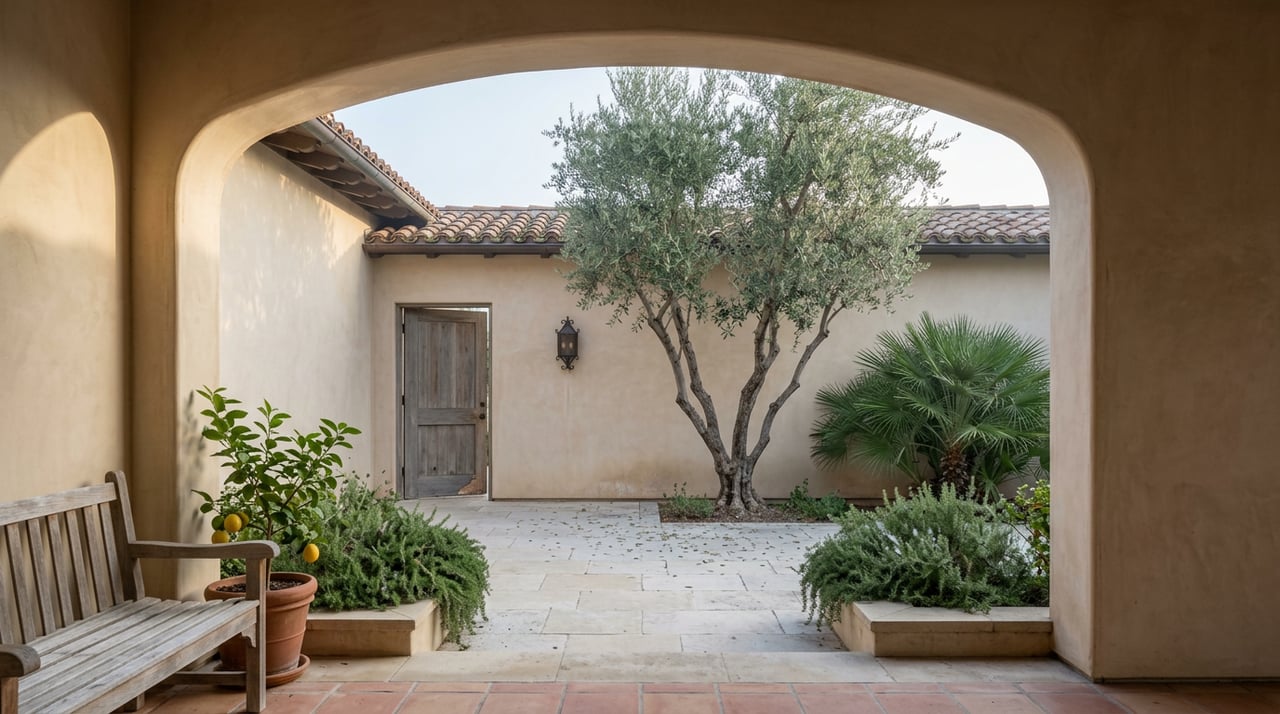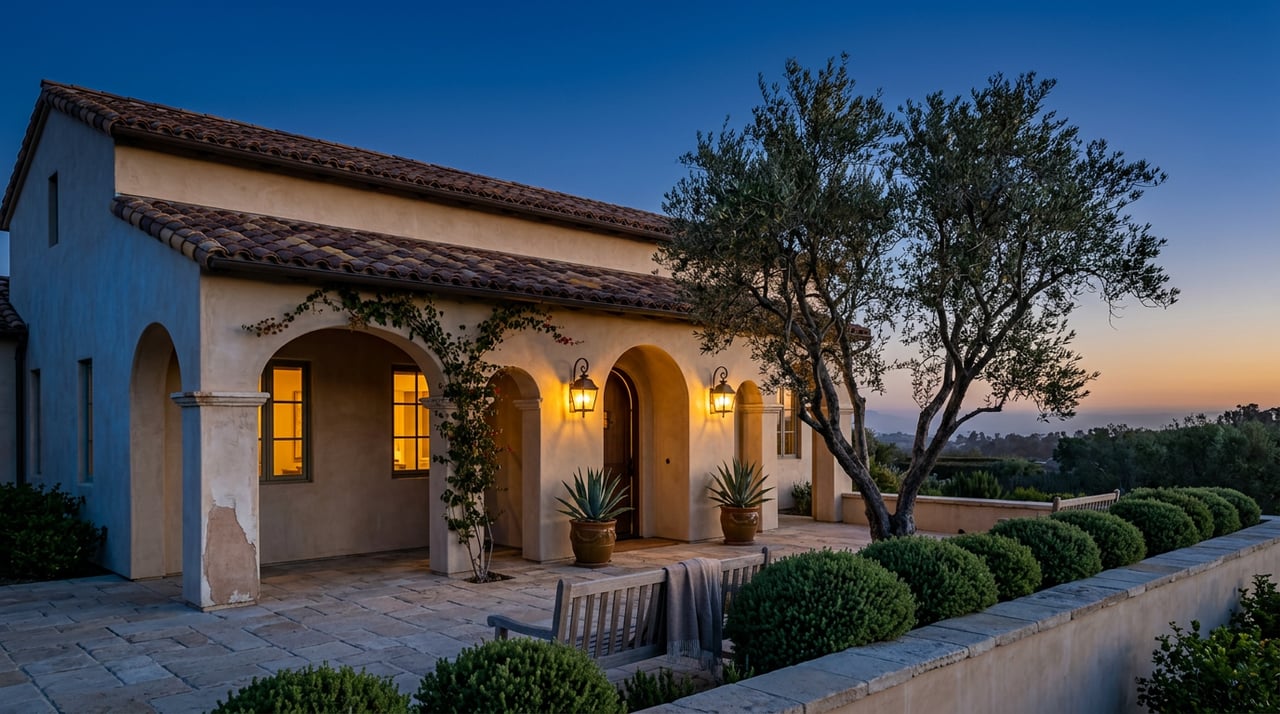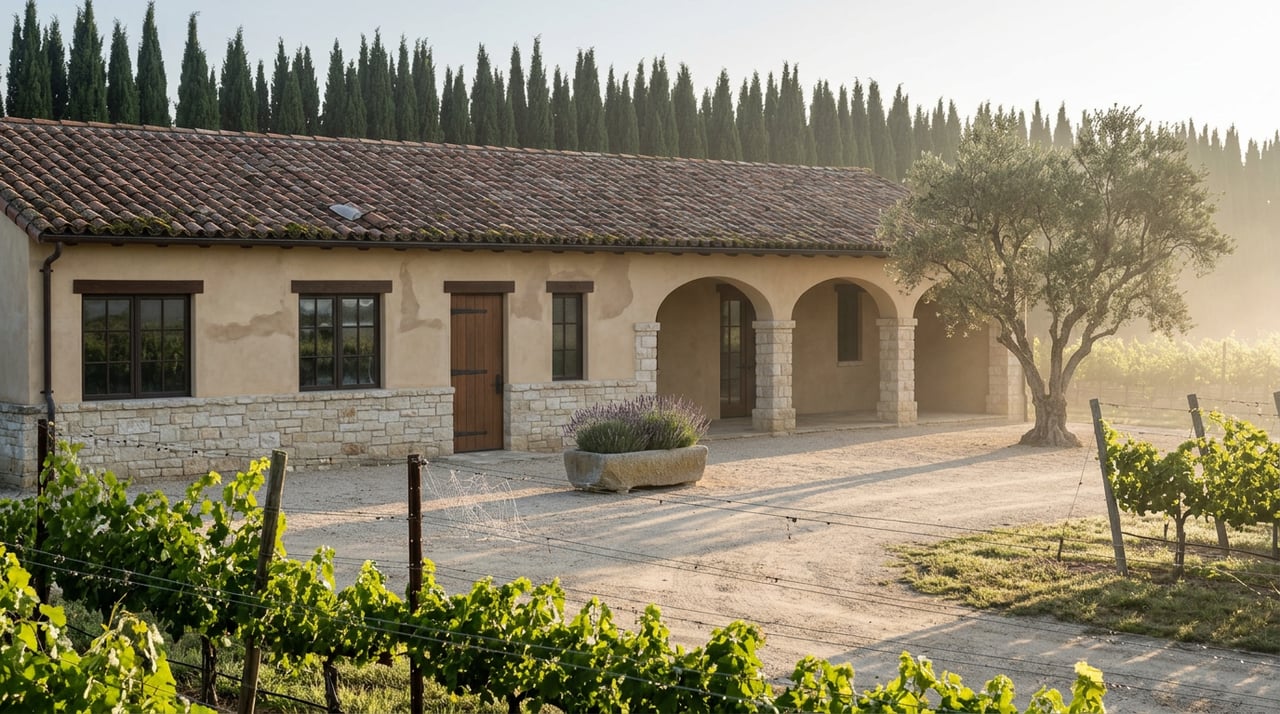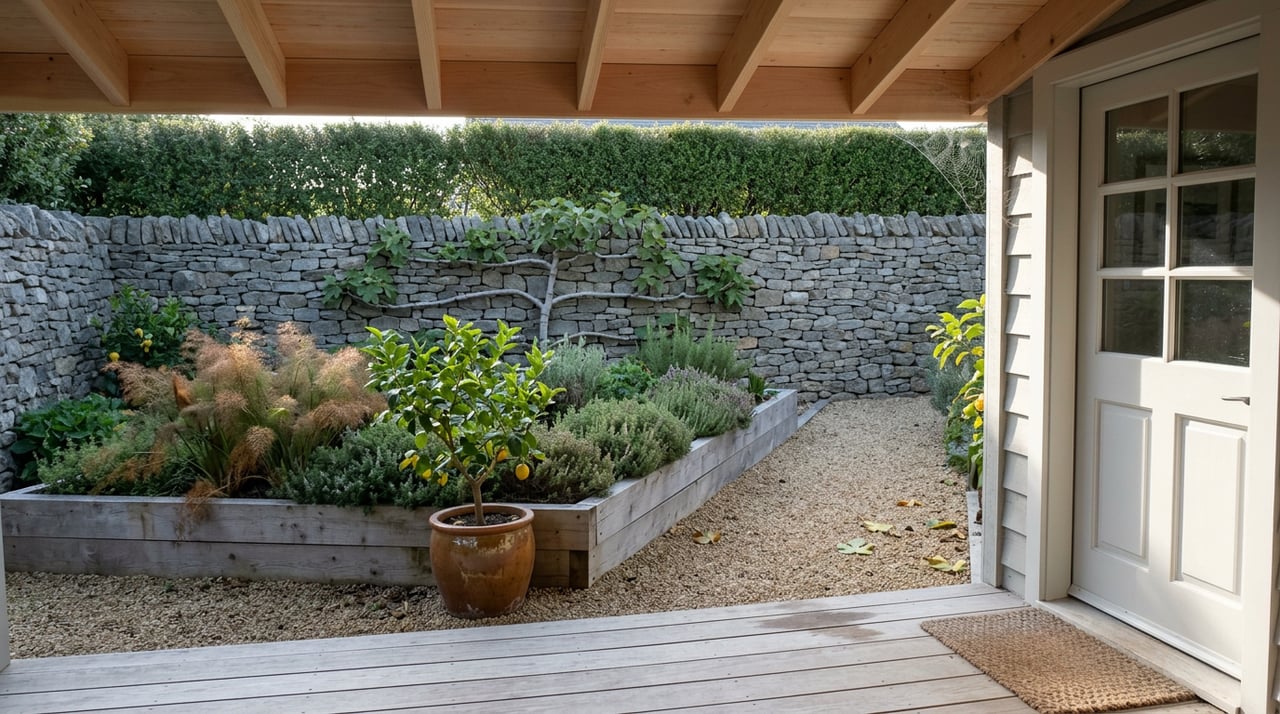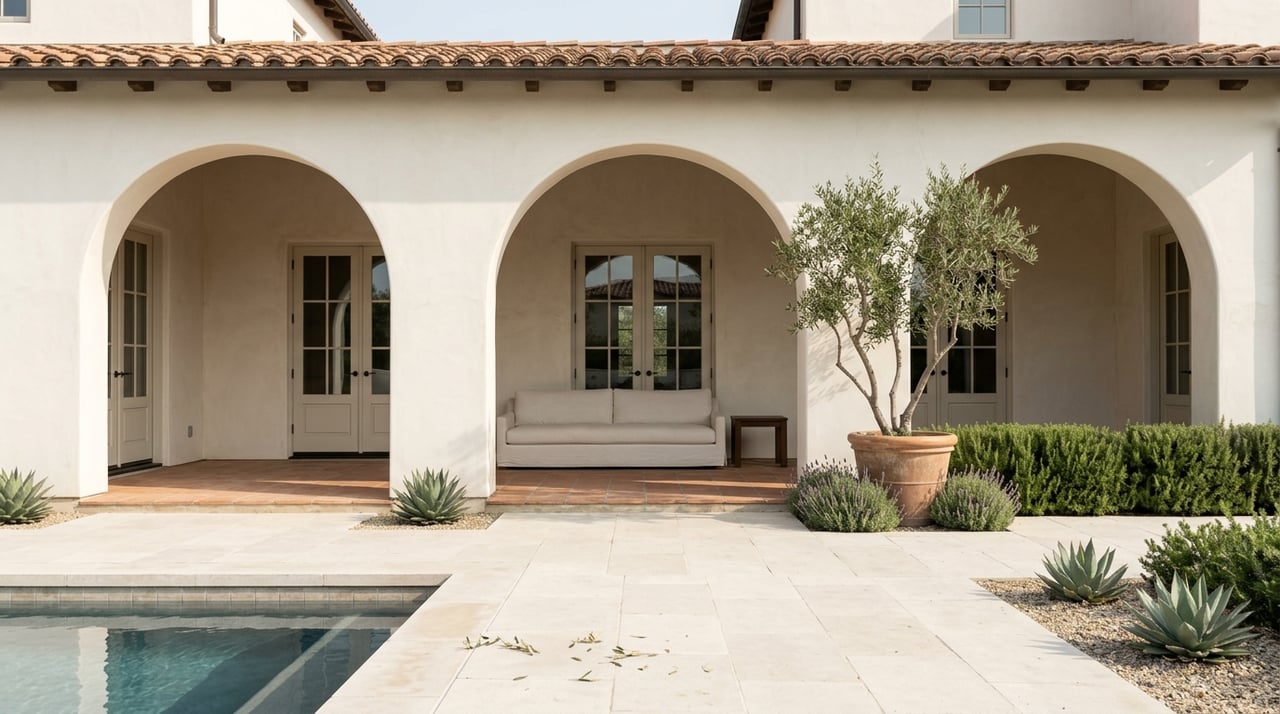
If you are preparing to sell a Santa Ynez Valley estate, presentation matters, but preparation matters even more. Buyers at this level are not only noticing architecture, views, and acreage. They are also looking for clean records, clear disclosures, strong visuals, and signs that the property has been thoughtfully maintained. When those pieces come together, your sale can feel smoother, more credible, and more compelling from day one. Let’s dive in.
Understand the Santa Ynez Valley market
The first step is recognizing that the Santa Ynez Valley is not one uniform market. Recent Q2 2026 data for the broader Santa Ynez Valley Region showed a median sales price of $1.29 million, average days on market of 56, inventory of 127, and just one sale above $5 million.
Within that regional snapshot, the community-level differences were significant. Ballard posted a median of $3.48 million and 26 days on market, Los Olivos came in at $2.84 million and 9 days, Santa Ynez at $1.73 million and 75 days, Solvang at $1.4 million and 35 days, and Buellton at $905,000 and 46 days.
For you as a seller, that means your estate should be positioned within its exact micro-market, not against a broad Valley average. Location, acreage utility, view corridors, and the way your property’s features are documented can all shape buyer response.
Start with a pre-listing audit
Before you think about photos or staging, it helps to confirm that your property file is complete. On an estate property, buyers often ask detailed questions early, especially about additions, guest spaces, barns, pools, decks, and other improvements.
Santa Barbara County property tools can help you review permit history by parcel, zoning, maps, and parcel details. The Clerk-Recorder’s records search can also help you gather property records and historical documents before your home goes to market.
This step matters because missing paperwork can create hesitation. A polished listing is stronger when the physical property and the paper trail tell the same story.
Review improvements and permits
If your estate has evolved over time, now is the moment to verify what is documented. This can include guest units, accessory structures, equestrian improvements, outdoor living areas, and major landscape features.
A pre-listing records review can help you spot gaps before a buyer does. That reduces the chance of delays or difficult negotiations during escrow.
Gather disclosure documents early
California sellers of single-family residential property must provide a Real Estate Transfer Disclosure Statement. The state’s Natural Hazard Disclosure framework also covers flood, fire, earthquake, seismic, wildfire-related disclosures, and right-to-farm disclosures.
Beginning January 1, 2025, homes in high or very high fire hazard severity zones that were built before January 1, 2010 also require a wildfire home-hardening notice and a low-cost retrofit list disclosure under Civil Code 1102.6f. Gathering these items early can help your launch feel organized and transparent.
Prioritize wildfire readiness
In the Santa Ynez Valley, curb appeal and wildfire readiness often go hand in hand. Santa Barbara County Fire declared High Fire Season for all county areas effective May 25, 2026, and county guidance urges property owners to maintain defensible space and prepare for wildfire conditions.
For sellers, this is not just a maintenance issue. It is a pre-sale issue that can affect inspections, disclosures, and buyer confidence.
Address defensible space
County guidance describes a 100-foot minimum defensible-space perimeter. Zone 0, which spans 0 to 5 feet from the home, should be kept free of combustibles. Zone 1, from 5 to 30 feet, should be mowed and cleared of dead vegetation. Zone 2, from 30 to 100 feet, should be thinned and pruned to help slow fire spread.
If your property is in a high or very high fire severity zone, Santa Barbara County Fire says sellers must provide documentation of a compliant defensible-space inspection. If the property does not pass, the seller and buyer may enter a written agreement allowing the buyer to obtain compliance within one year after closing.
Document home-hardening features
Buyers and inspectors may also notice wildfire resilience upgrades. County home-hardening guidance highlights practical features such as 1/8-inch vent screening, Class A roofing, spark arresters, dual-pane tempered windows, and noncombustible fencing connected to the structure.
If your estate includes any of these improvements, they should be documented clearly. They are safety features, but they also help support the property’s overall value narrative.
Refresh the landscape with purpose
Landscape work in the Santa Ynez Valley should do more than make the property look tidy. It should improve first impressions, reinforce fire-smart maintenance, and support water efficiency.
Santa Barbara County landscaping resources emphasize climate-appropriate and drought-tolerant plants, greywater and rainwater reuse, fire-smart landscaping, and irrigation efficiency. For many estate sellers, the goal is not to strip the grounds back. It is to tune, edit, and sharpen what is already there.
Focus on irrigation and plant health
The county’s irrigation guidance recommends checking valves, sprinkler heads, and water lines. It also points property owners toward smart irrigation controls and watering calculators.
For a larger property, irrigation performance can influence how the grounds show. Brown patches, overwatering, leaks, or uneven coverage can make even a beautiful estate feel under-managed.
Preserve mature trees and structure
Mature trees are long-term assets, especially on larger parcels where shade, scale, and visual framing matter. Instead of aggressive removal, a thoughtful refresh often means pruning, clearing dead growth, cleaning edges, and improving sightlines.
That approach helps the property feel both established and cared for. It also photographs better, which matters once your listing goes live.
Gather water and septic records
Many rural and acreage properties in the Valley rely on systems that deserve extra attention before listing. Santa Barbara County Environmental Health oversees Water Wells and Drinking Water, and the county defines an Onsite Wastewater Treatment System as a septic system used where public sewer is not available.
If your property includes a well, septic system, or other private water infrastructure, gather those records early. Buyers often want clarity on these systems, and missing documents can slow momentum in escrow.
Account for agricultural context
Some Santa Ynez Valley estates sit near vineyards, ranches, farms, or other agricultural uses. Santa Barbara County maintains Agricultural Preserve and Right-to-Farm resources, and California’s natural hazard disclosure framework specifically includes right-to-farm disclosures.
That means your listing file should anticipate parcel-specific land-use and agricultural context when relevant. Clear preparation can help reduce surprises and set realistic expectations for buyers reviewing a rural or lifestyle property.
Stage for scale and clarity
Once your records and property prep are in motion, staging becomes much more effective. For estate sellers, staging is not about making every room look full. It is about helping buyers understand proportion, flow, and how indoor and outdoor spaces connect.
According to the National Association of Realtors’ 2025 staging report, 83% of buyers’ agents said staging made it easier for buyers to visualize the home, 29% reported a 1% to 10% increase in offered value, and 49% said staging reduced time on market.
Prioritize key rooms
The same report found that the most commonly staged rooms were the living room, primary bedroom, dining room, and kitchen. Those rooms often shape the emotional first impression of the home.
For a Santa Ynez Valley estate, you may also want special attention on spaces that define the property’s use and character. That can include guest accommodations, outdoor entertaining areas, or infrastructure tied to the way the property functions.
Invest in a full visual package
Today’s buyers often meet your property online first. That makes photography and digital storytelling central to a standout sale.
NAR’s 2025 buyers-and-sellers trends report found that 83% of buyers rated photos as very useful, 57% rated floor plans as very useful, 41% rated virtual tours as very useful, and 29% rated videos as very useful. NAR also reported that 52% of buyers found the home they purchased online and 81% said listing photos were the most useful feature.
Tell the property story visually
For an estate, a few exterior shots are rarely enough. The visual sequence should help buyers understand the experience of the property from arrival onward.
That can mean showing the approach, architecture, view corridors, outdoor rooms, major entertaining spaces, guest or caretaker space, and any equestrian or vineyard infrastructure that defines the property. The goal is not simply to document rooms. It is to explain why the estate deserves premium attention.
Make the first days count
NAR’s guidance on online visibility notes that the lead image sets expectations and that the first days online carry outsized importance. That means your listing should go live only after the property is fully ready.
If the home debuts before the landscape is tuned, the staging is complete, or the imagery is polished, you may lose the strongest window of early attention. A well-timed launch can make a meaningful difference.
Follow the right launch sequence
For a property of this type, sequence matters. The strongest pre-market strategy usually follows a practical order that reduces questions before they show up in escrow.
A smart launch often looks like this:
- Verify permits, parcel details, and property records
- Gather disclosure materials
- Complete wildfire and defensible-space steps
- Refresh landscape and irrigation
- Stage key interiors and exterior living spaces
- Capture photography, video, and floor plans
- Launch with pricing and positioning tailored to the property’s micro-market
This kind of preparation supports both presentation and transaction management. In a market where estate performance can vary sharply by community and price point, disciplined prep can help your home stand out for the right reasons.
Why preparation drives premium attention
A standout sale in the Santa Ynez Valley is rarely the result of one improvement. It usually comes from a series of smart decisions that make the property easier to understand, easier to trust, and easier to imagine owning.
When your records are organized, your disclosures are ready, your landscape is refined, and your visual package is complete, buyers can focus on the estate itself instead of the unknowns around it. That is often what helps a distinctive property command stronger attention in a nuanced market.
If you are thinking about selling and want a calm, concierge-led plan for preparing your property, Andrea O'Loughlin can help you map out the right pre-market strategy for your Santa Ynez Valley sale.
FAQs
What makes selling a Santa Ynez Valley estate different from selling a standard home?
- Estate sales often involve more variables, including acreage, private infrastructure, permits, disclosures, wildfire readiness, and a more detailed visual marketing package.
Why does micro-market pricing matter in the Santa Ynez Valley?
- Community-level market data shows meaningful differences between areas like Ballard, Los Olivos, Santa Ynez, Solvang, and Buellton, so pricing should reflect your exact location and property profile.
What records should you gather before listing a Santa Ynez Valley estate?
- You should review permit history, parcel details, zoning information, disclosure materials, and records tied to features like guest units, barns, pools, wells, septic systems, and other major improvements.
What wildfire steps should you take before listing a Santa Ynez Valley property?
- You should review defensible-space requirements, address vegetation and combustible materials, and document relevant home-hardening features, especially if the property is in a high or very high fire severity zone.
Why are professional photos and floor plans important for a Santa Ynez Valley estate sale?
- Buyer behavior data shows that photos and floor plans are among the most useful online listing features, which is especially important for large properties with multiple structures, views, and outdoor spaces.
When should you stage and photograph a Santa Ynez Valley estate?
- Staging and photography should come after records review, disclosure prep, wildfire steps, and landscape refresh so the home makes its strongest impression during the first days on market.