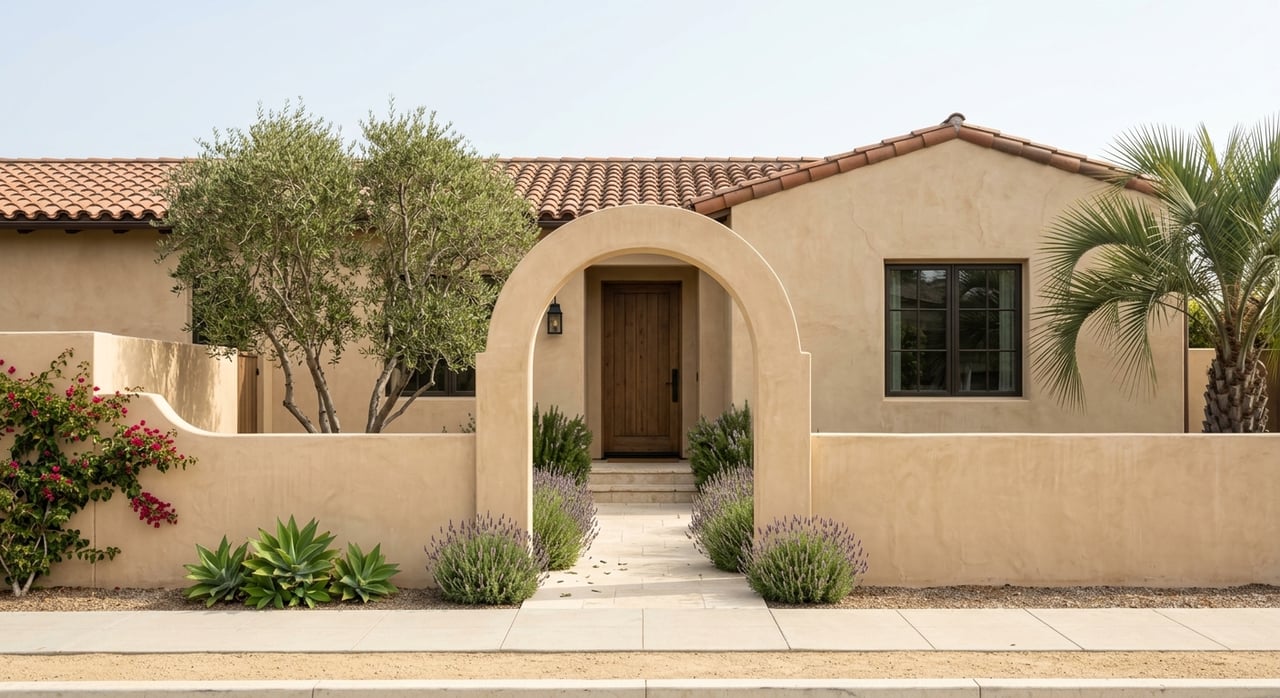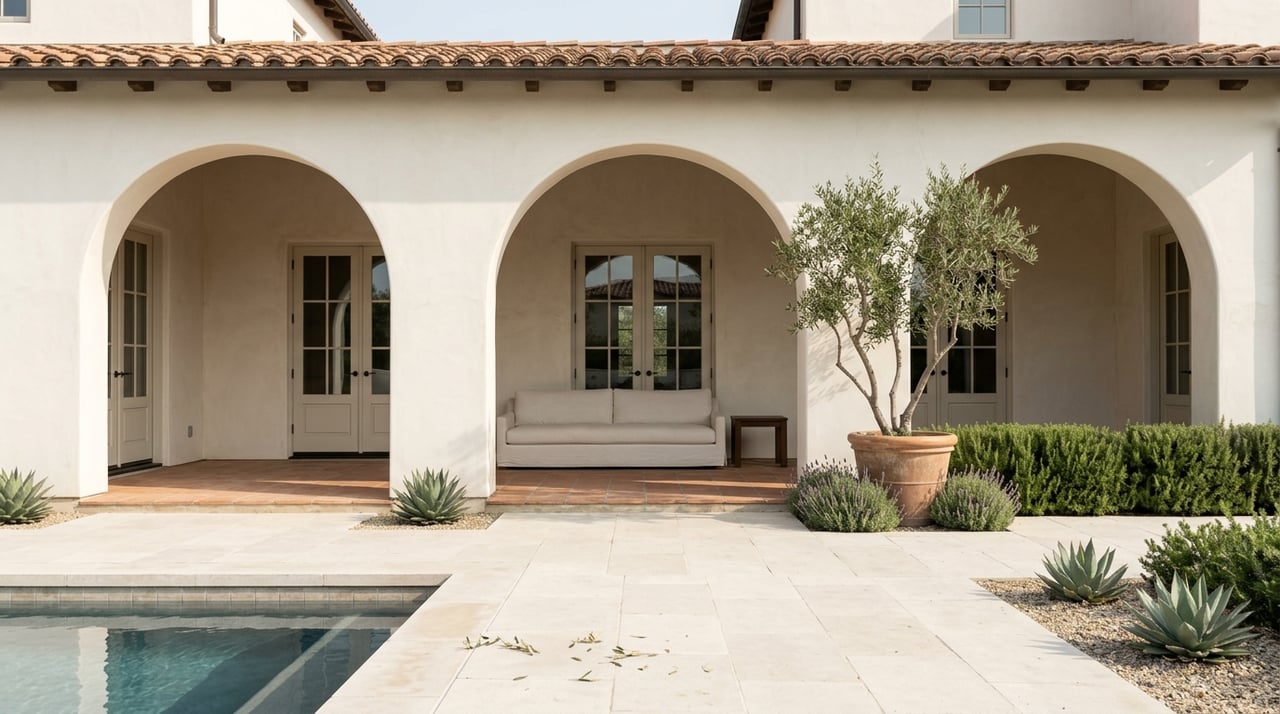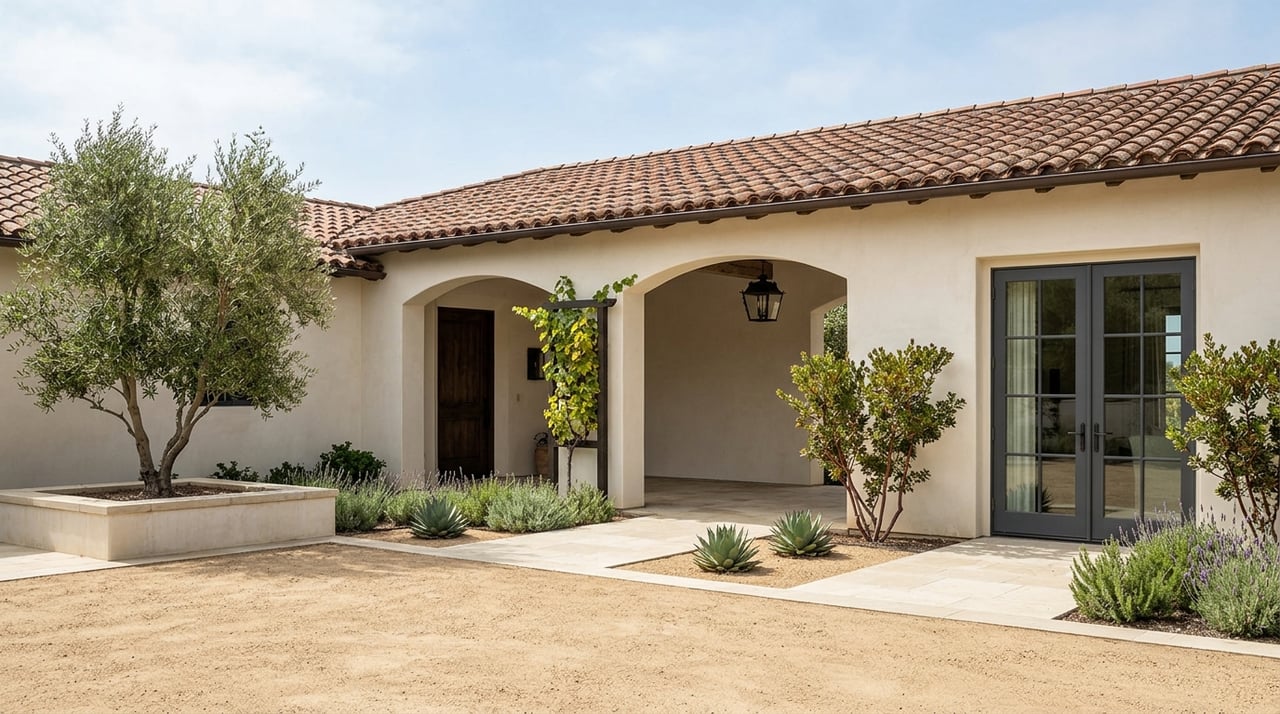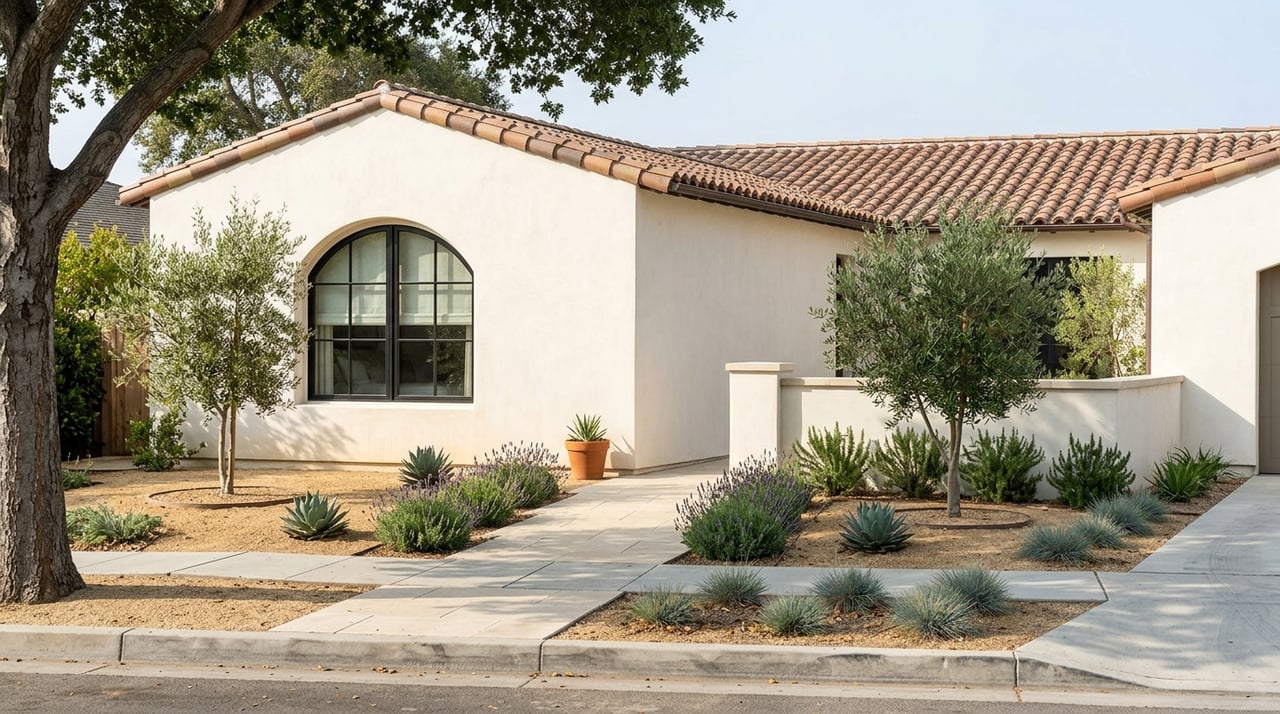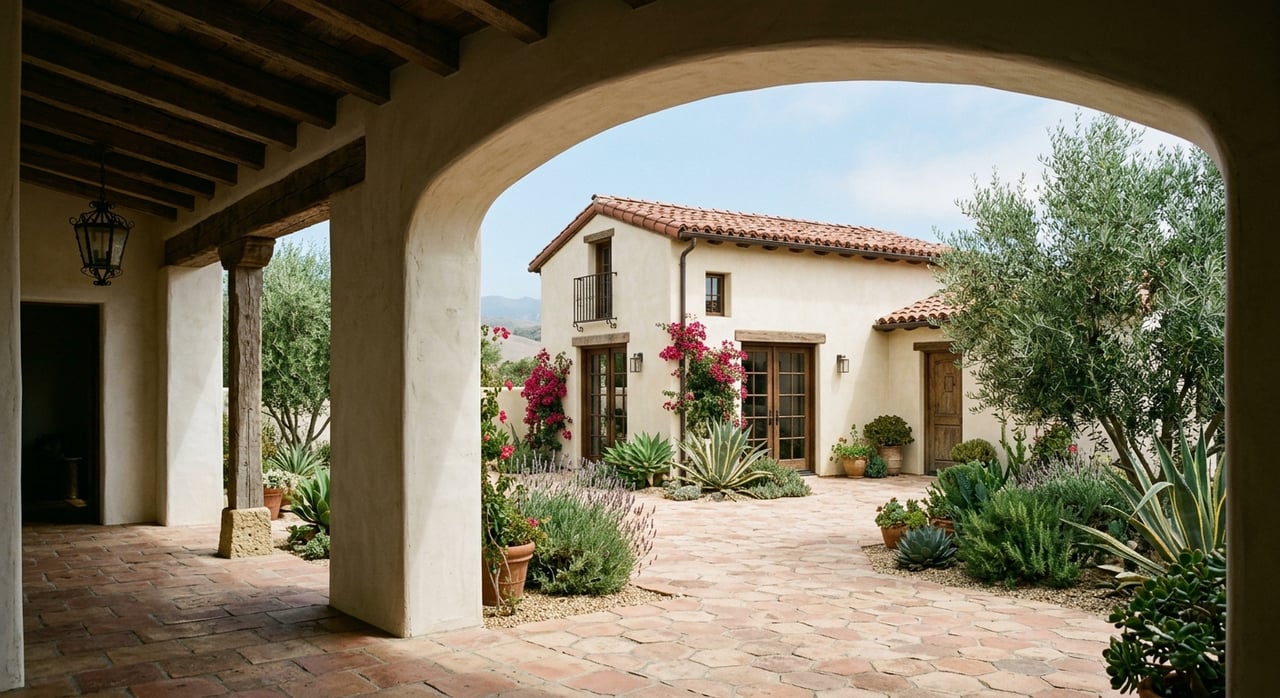
If you picture a second home as a place to slow down, breathe deeper, and trade busy weekends for vineyard views and open space, the Santa Ynez Valley will likely get your attention fast. But this part of Santa Barbara County is not a one-size-fits-all retreat, and that matters if you want your purchase to feel rewarding instead of complicated. In this guide, you’ll learn how to judge lifestyle fit, compare ownership styles, and think through the practical realities of buying a second home in the Santa Ynez Valley. Let’s dive in.
Why buyers consider Santa Ynez Valley
The Santa Ynez Valley is widely known as the heart of Santa Barbara wine country, with six distinct communities, scenic outdoor recreation, wineries, dining, and a small-town pace that feels different from coastal living. Local tourism materials position it as both a weekend getaway and a longer escape, which makes it especially appealing if you want a retreat that still feels connected to the broader Santa Barbara area.
That appeal is not just about wine tasting. The valley is also associated with horseback riding, hiking, boutique shopping, live music, wood-fired dining, and seasonal events. If your ideal second home supports memorable weekends and a more experience-driven lifestyle, the valley naturally fits that vision.
Know the valley’s different settings
One of the most important things to understand is that the Santa Ynez Valley is really a group of distinct communities rather than a single lifestyle market. Official local descriptions present Ballard as a tiny rural gem, Buellton as a gateway city, Los Alamos as a vintage western town, Los Olivos as a wine-focused town, Santa Ynez as a historic township, and Solvang as a Danish-American village with walkable streets and European-style character.
For you as a buyer, that means your second-home experience can vary quite a bit depending on where you land. Some areas offer more convenience and in-town ease, while others feel quieter, more private, and more rural. Getting clear on that distinction early can save you from buying a property that looks beautiful on paper but does not match how you actually want to use it.
Match the home to your lifestyle
In-town homes for easier ownership
If you want a lower-friction second home, an in-town property may be the strongest fit. Homes in places like Solvang, Buellton, Los Olivos, or Santa Ynez can offer a simpler ownership pattern, especially if your goal is to arrive for the weekend, enjoy the area, and leave without managing a large piece of land.
This type of purchase can be a smart choice if you value walkability, easy access to dining and shops, and a more straightforward maintenance routine. It can also make the home easier to enjoy on shorter visits.
Rural homes for privacy and space
If your vision is more about privacy, acreage, or an immersive retreat, the valley has strong appeal. Santa Barbara County planning materials describe the area as scenic and pastoral, with a deep agricultural tradition and a landscape shaped by rural and agricultural lands.
That setting often translates into ranch-style holdings, vineyard-adjacent properties, and low-density parcels that feel distinctly separate from suburban housing. These homes can deliver a remarkable sense of space and calm, but they usually come with more upkeep and more due diligence.
What housing looks like here
In the Santa Ynez Valley, the housing conversation often goes beyond a standard single-family home. Local tourism and planning materials highlight working ranches, estate vineyards, farm-and-ranch properties, and hospitality-oriented ranch settings, all of which reinforce the area’s rural-luxury identity.
In practical terms, inventory tends to lean more toward village-luxury and rural-luxury than conventional tract housing. That is part of the valley’s charm, but it also means your search should focus on how a property functions, not just how it photographs.
Understand the real ownership work
A second home in the valley can feel relaxed when you are using it, but ownership itself may require more attention than you expect. This is especially true if you are buying outside the more centralized in-town settings.
Santa Barbara County notes that rural properties may rely on private wells, private water systems, and septic systems rather than full municipal services. County review points for rural development also include water supply, sewage disposal, access, slope, and fire safety. For you, that means these are not minor technical details. They are core parts of how the property operates.
Water and septic matter more here
If you are used to fully serviced urban or suburban homes, this part of the process deserves extra care. A property with private water or onsite wastewater systems can still be an excellent fit, but you need to understand what exists, how it is maintained, and whether it supports your intended use.
That is especially important for a second home, where you may not be onsite often enough to notice small issues before they become larger ones. A beautiful setting should always be paired with a clear operational picture.
Wildfire readiness is part of ownership
Wildfire planning is a major part of owning property in this region. CAL FIRE guidance says defensible space should extend up to 100 feet or to the property line, whichever is closer, with Zone 0 covering the first 0 to 5 feet around structures, Zone 1 covering 0 to 30 feet, and Zone 2 covering 30 to 100 feet.
For a second-home owner, this means landscaping and vegetation management are not just aesthetic choices. Ongoing debris removal, tree spacing, and maintenance around structures are part of the baseline responsibility of ownership.
Insurance needs careful budgeting
Insurance is another area where buyers should stay realistic. The California Department of Insurance says the FAIR Plan is a last-resort coverage option for consumers who cannot obtain insurance in the traditional market, and that broader protection often requires separate Difference in Conditions coverage.
The same department also notes that wildfire hardening may qualify policyholders for wildfire-related discounts under Safer from Wildfires. For your budgeting, the key takeaway is simple: treat insurance as a variable cost that needs to be evaluated early, not as an afterthought once you are already in contract.
Think carefully about rental plans
It is common for second-home buyers to ask whether occasional rental income can help offset ownership costs. In the Santa Ynez Valley, the answer depends heavily on the property’s exact jurisdiction.
Santa Barbara County has a short-term rental ordinance and transient occupancy tax program for unincorporated areas, while the City of Solvang has its own transient occupancy tax return and vacation-rental form. Because the valley includes both incorporated towns and unincorporated county areas, you should confirm the parcel’s jurisdiction before making any assumptions about rental use.
That matters even more in an area promoted around weekend escapes, dining, wine, outdoor activity, shopping, and events. Visitor demand may exist, but legal use, permitting, tax treatment, and management realities still determine whether a property truly works as a part-time rental.
Plan your exit before you buy
The best second-home purchases usually work well both for your enjoyment today and for your flexibility later. In the Santa Ynez Valley, homes that align with the area’s core identity and keep ownership friction manageable may appeal to a broader future buyer pool.
That often means looking closely at legal access, water and septic functionality, defensible-space compliance, insurance feasibility, and whether the home supports a realistic use pattern. By contrast, a property that is highly specialized, difficult to maintain, or dependent on uncertain rental income may be harder to exit cleanly.
Signs the valley may be right for you
A Santa Ynez Valley second home may be a strong fit if you want:
- A scenic inland retreat with a slower pace
- Access to wine-country amenities and outdoor recreation
- A property that supports weekends, holidays, or longer escapes
- More privacy or land than a typical in-town second home offers
- A lifestyle-driven purchase rather than a purely passive investment
If that sounds like you, the valley deserves a serious look.
Signs it may not be the best fit
This market may be less ideal if you want:
- A highly standardized, low-maintenance second home
- Simple, predictable ownership costs in every category
- Little to no regulatory homework
- Minimal land, vegetation, or fire-management responsibility
- A purchase that depends heavily on short-term rental assumptions
In that case, a different property type or a different setting may better support your goals.
How to make a smart decision
A strong second-home decision in the Santa Ynez Valley usually comes down to alignment. The property should match how often you plan to visit, how hands-on you want to be, and whether you want easy lock-and-leave ownership or a more immersive rural retreat.
Before you move forward, it is wise to verify jurisdiction, understand utility and land-management realities, and build an operating budget that includes fire mitigation and insurance. When you take that practical view from the start, you are much more likely to buy a home that feels like a luxury in real life, not just in listing photos.
If you are weighing a Santa Ynez Valley retreat and want clear guidance on fit, upkeep, and long-term resale potential, Andrea O'Loughlin offers the kind of thoughtful, high-touch local perspective that can help you buy with confidence.
FAQs
Is the Santa Ynez Valley a good place for a second home?
- It can be an excellent fit if you want a scenic, lifestyle-driven retreat with wine-country amenities, outdoor recreation, and a small-town feel, but it is usually better suited to buyers who are comfortable with more property-specific due diligence.
Are Santa Ynez Valley second homes usually low maintenance?
- Not always. In-town homes may offer easier ownership, while rural properties with acreage, private water systems, or septic systems often require more upkeep and planning.
Can you use a Santa Ynez Valley second home as a short-term rental?
- Possibly, but rules depend on the exact jurisdiction because the valley includes both incorporated and unincorporated areas with different local requirements.
What should you check before buying a rural Santa Ynez Valley property?
- You should closely review water supply, septic or wastewater systems, legal access, slope, fire-safety conditions, and the ongoing maintenance the property will require.
How important is wildfire planning for Santa Ynez Valley homes?
- It is very important because defensible space, vegetation management, and debris removal are core ownership responsibilities in this region.
Is insurance more complicated for a Santa Ynez Valley second home?
- It can be, especially in wildfire-exposed areas, so it is smart to treat insurance as a variable budget item and evaluate options early in your search.
Which Santa Ynez Valley locations may suit different second-home styles?
- Buyers looking for convenience may prefer in-town settings like Solvang, Buellton, Los Olivos, or Santa Ynez, while those seeking more privacy and land may be drawn to rural or vineyard-country properties.