If you have ever wondered why so many Summerland homes feel effortlessly layered, light, and livable, the answer starts just outside the front door. In this small coastal community, design is not only something you see in homes. It is part of the neighborhood itself, shaped by a walkable retail corridor, a strong antique presence, and a setting that naturally supports indoor-outdoor living. If you are buying, selling, or refreshing a home in Summerland, understanding that local design language can help you make smarter choices. Let’s dive in.
Summerland’s Setting Shapes Its Style
Summerland sits in southern Santa Barbara County between Santa Barbara and Carpinteria. County planning materials describe a small commercial core centered on Lillie Avenue and Ortega Hill Road, just north of U.S. 101, with visitor-oriented uses like restaurants, gift shops, bed-and-breakfast inns, and antique shops.
That layout matters because it gives Summerland a compact, village-scale feel. Streetscape improvements such as sidewalks, curb ramps, bike lanes, landscaping, and a transit stop reinforce that sense of a place designed to be experienced at a slower pace, with shops and homes closely connected.
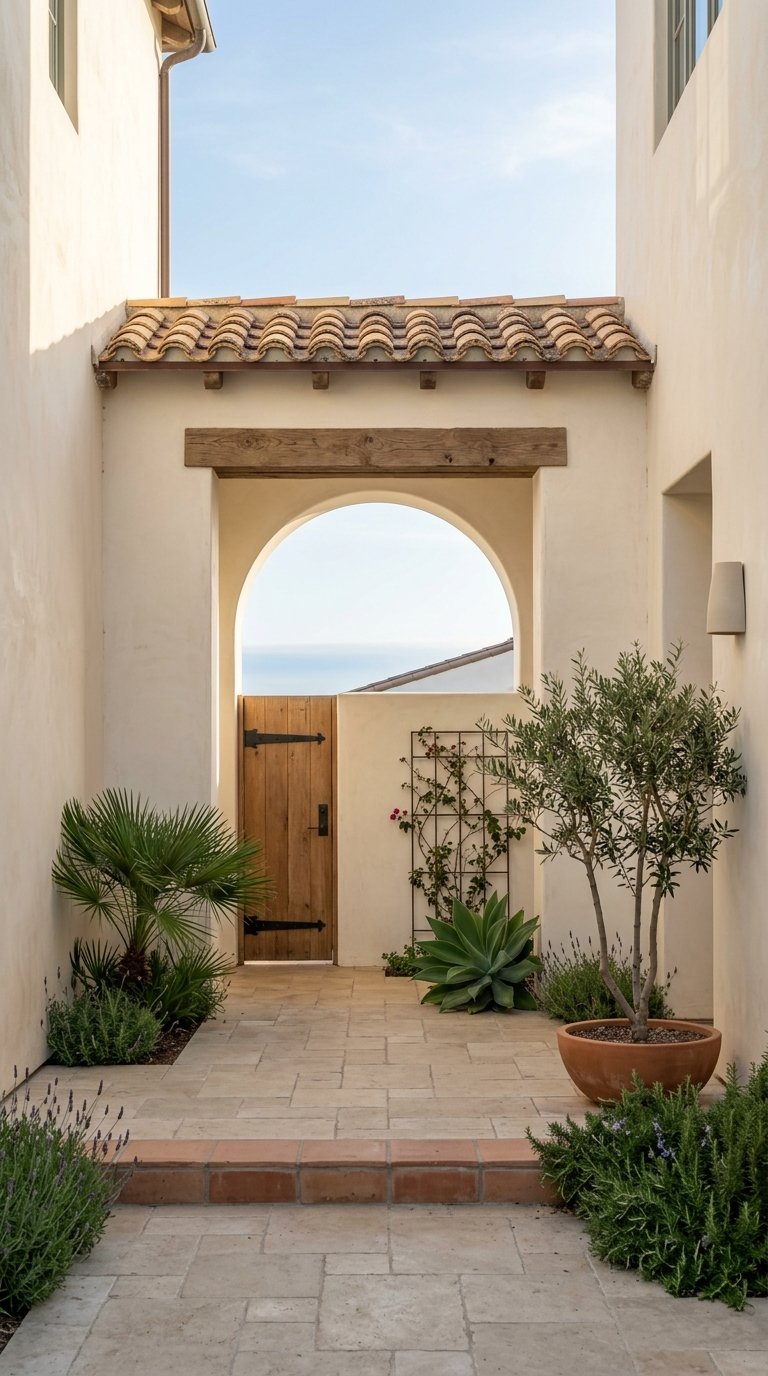
The broader coastal setting also helps explain the look of local homes. Santa Barbara County’s scenic coastline, coastal mountains, and moderate climate create natural conditions for breezy spaces, outdoor rooms, and easy transitions between inside and outside.
Lillie Avenue Drives the Design Conversation
In many towns, home style is shaped by distant showrooms or online inspiration. In Summerland, much of that influence is concentrated in one neighborhood loop along Lillie Avenue and Ortega Hill Road, where boutiques, antique stores, and garden-focused shops create a practical design ecosystem.
Visit Santa Barbara describes Summerland as a destination for charming boutiques and antique stores, with new shops continuing to appear along this corridor. For homeowners, that means you can source furniture, textiles, lighting, plants, and decorative pieces locally without leaving the neighborhood.
This shop-the-neighborhood dynamic is a big part of what makes Summerland homes feel curated. Rather than following one rigid style, many interiors draw from a mix of sources that are close at hand and easy to layer together.
The Shops Behind the Look
The Well and Garden-Driven Living
The Well is presented by Visit Santa Barbara as a luxury home and garden company focused on handpicked pieces and design help for reimagining spaces. Its Summerland location is described as a collection of cottages and buildings filled with fountains, antique furniture, art, lighting, plantings, outdoor furniture, and striking pots.
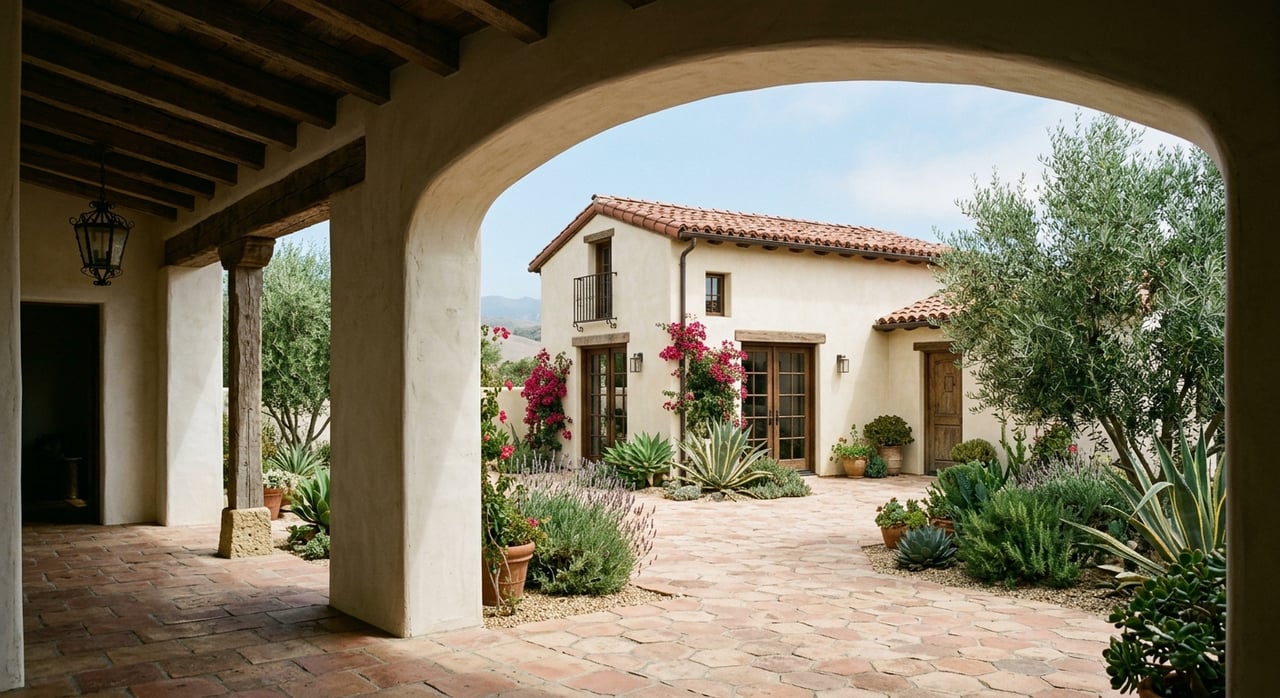
That kind of inventory supports a very specific way of living. It encourages homes where the garden, patio, or courtyard is styled with as much care as the living room, making exterior spaces feel fully integrated into the home.
Botanik and Flexible Finishing Touches
Botanik describes itself as a lifestyle boutique centered on home-and-garden goods with a lush, colorful palette. The shop emphasizes unique, timeless treasures and classic, simple pieces that can work across many types of homes.
That versatility helps explain why Summerland interiors often feel personal rather than overly themed. A homeowner can add texture, color, and softness without locking into one narrow look.
Antique Shops and Collected Character
Summerland Antique Collective and Mary Suding Antiques & Design bring depth to the local design scene. Visit Santa Barbara describes the collective as carrying curated antique pieces along with fine art, lighting, seating, tables, chandeliers, architectural elements, statuary, and outdoor items.
Mary Suding’s shop is described as featuring mid-century modern, Western, and folk art pieces, with staff who share design expertise and stage homes. Together, these shops help shape interiors that feel assembled over time, with contrast, patina, and individuality doing much of the work.
Field + Fort and Edited California Cottage Style
Field + Fort adds a more contemporary note to the corridor. Its brand centers on elevated living, and Siteline described the building as painted white and emblematic of modern California cottage style.
That cleaner, more edited aesthetic matters because it balances the richer antique and garden elements nearby. In practice, it gives Summerland homeowners a way to mix vintage pieces with lighter architecture, simpler lines, and a fresh coastal mood.
Three Design Motifs You See in Summerland Homes
Coastal Modern Meets California Cottage
One recurring look in Summerland homes is a coastal modern or California cottage feel. Think white-painted surfaces, light-filled rooms, relaxed lines, and a polished but easy atmosphere.
This pattern is best understood as a local design tendency rather than an official standard. It is supported by the area’s retail mix, including Field + Fort’s modern California cottage style and Botanik’s focus on classic, simple pieces.
Collected Vintage Adds Soul
Another common motif is collected vintage. Summerland’s antique shops favor mixed-era objects, from mid-century modern and Western pieces to folk art, farmhouse details, and architectural elements.
That mix encourages homes that feel layered instead of matched. You may see a simple room grounded by one statement chandelier, a timeworn table, or a single sculptural antique that gives the space character.
Indoor-Outdoor Living Feels Natural
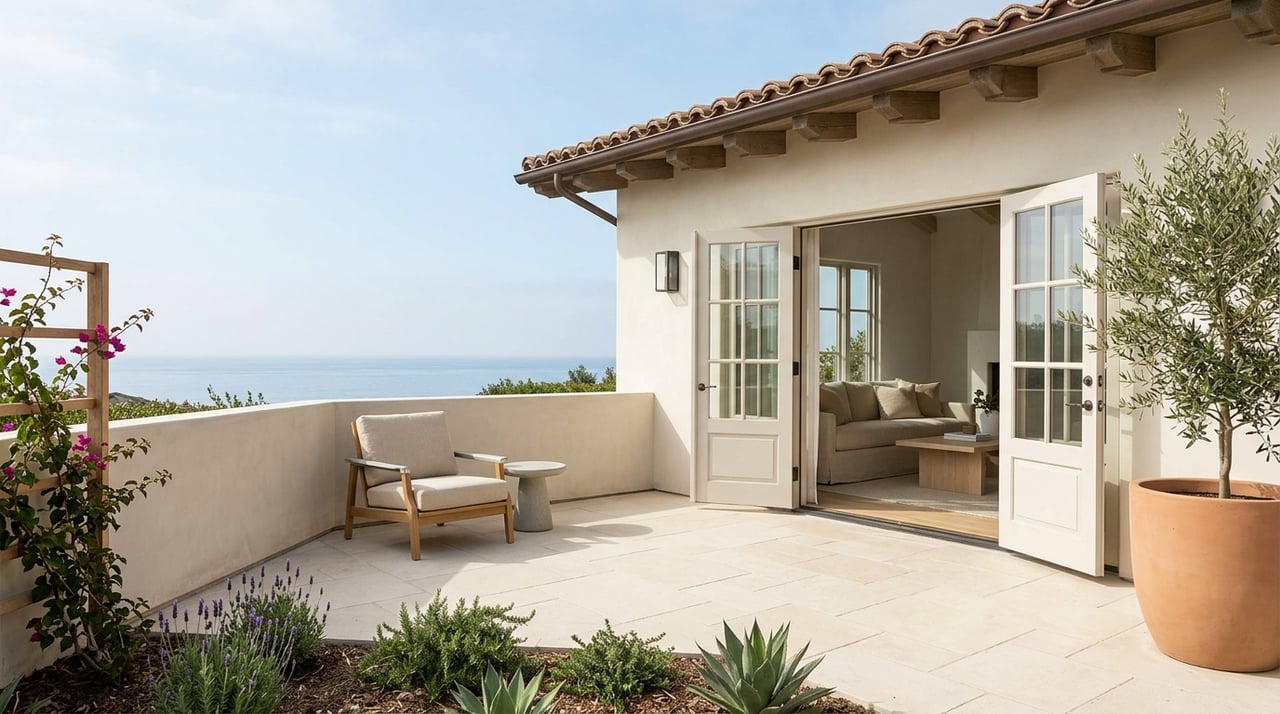
Indoor-outdoor living is one of the strongest themes in the area. The Well’s outdoor furniture and garden focus, Botanik’s home-and-plant crossover, and Field + Fort’s patio seating all support the idea that terraces, decks, courtyards, and gardens are part of daily living.
Summerland’s climate and beach-connected setting reinforce that habit. In many homes, exterior space does not feel separate from the interior. It feels like the next room.
What This Means if You’re Buying in Summerland
If you are shopping for a home in Summerland, the design scene can help you see potential more clearly. A property does not need to come perfectly styled to fit the area. Often, the right architectural envelope paired with thoughtful local sourcing can create a cohesive result.
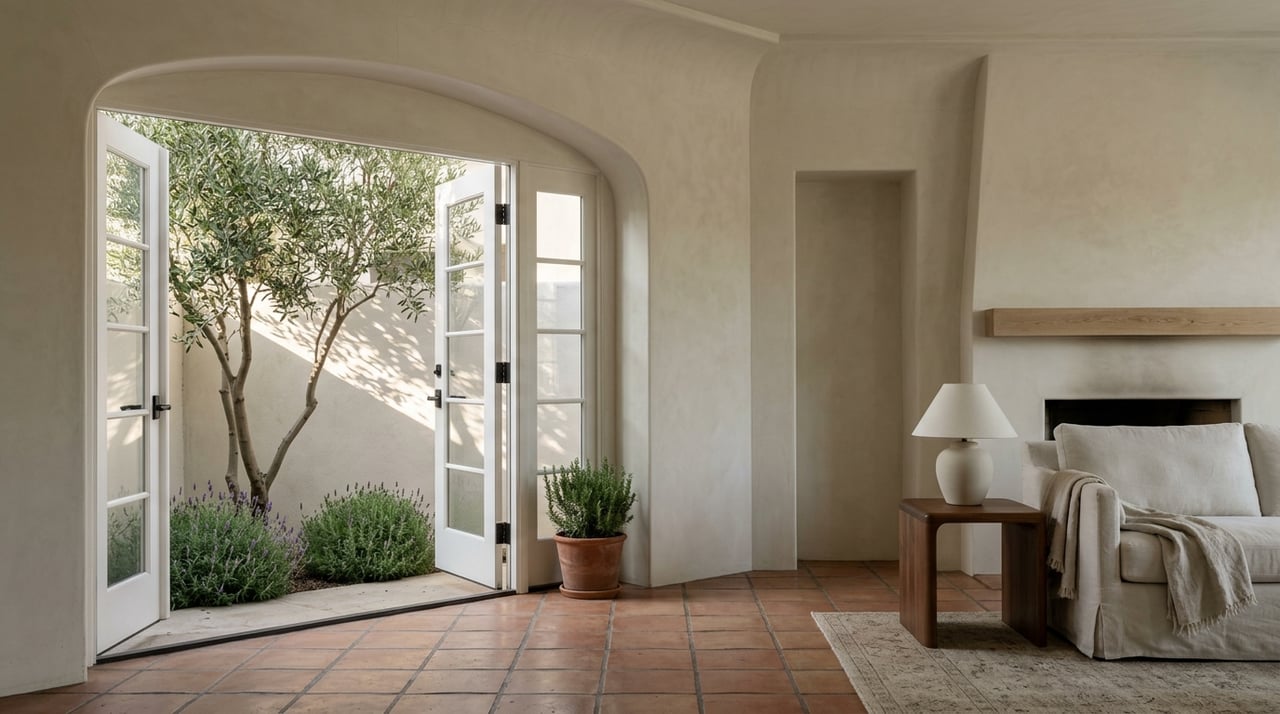
A neutral backdrop tends to work well here. Clean walls, natural light, and simple finishes can support a few standout vintage pieces, layered textiles, garden accents, and outdoor furnishings without making the home feel busy.
This is especially helpful if you are comparing homes with different levels of finish. In Summerland, the neighborhood itself offers clues about how a home can evolve through sourcing, styling, and careful editing.
What This Means if You’re Selling
For sellers, Summerland’s design identity offers a useful strategy. Buyers are often responding not just to square footage or layout, but to the lifestyle story a home tells.
In this market, that story is often strongest when a home feels light, collected, and connected to outdoor living. A few well-placed pieces, a more intentional patio or garden moment, and a clear design direction can help buyers understand how the property fits the local setting.
Summerland also offers nearby support for that process. Research sources note that Field + Fort has design expertise upstairs, and Mary Suding Antiques & Design explicitly offers staging and design guidance, showing that sourcing and styling help are available close to the neighborhood core.
For homeowners preparing to sell, that local access can be especially valuable. It can make it easier to create a presentation that feels rooted in Summerland rather than generic.
How to Capture the Summerland Look
If you want your home to reflect the local design language, a few principles stand out:
- Start with a calm, neutral foundation
- Add one or two statement vintage pieces
- Layer natural textures like wood, woven materials, or linen
- Treat patios, decks, and gardens as real living areas
- Mix edited modern elements with collected older finds
- Keep the overall feeling light, relaxed, and intentional
The goal is not to copy one store or one style. It is to create a home that feels connected to Summerland’s village scale, coastal setting, and design-rich shopping corridor.
Why Summerland’s Design Scene Matters in Real Estate
Design influence is not just aesthetic. It shapes how homes are experienced, marketed, and remembered. In Summerland, the close relationship between local shops, vintage sourcing, design help, and indoor-outdoor living creates a distinct sense of place.
For buyers, that can make it easier to imagine a home’s next chapter. For sellers, it can provide a clear framework for presentation that feels true to the neighborhood.
When a community has such a strong visual identity, understanding that identity becomes part of making smart real estate decisions. In Summerland, design is not background detail. It is part of the value story.
If you are considering a move in Summerland and want insight into how design, presentation, and neighborhood character shape buying and selling decisions, Andrea O'Loughlin offers a thoughtful, high-touch approach grounded in local knowledge.
FAQs
Where is Summerland’s main design corridor located?
- Summerland’s design corridor is concentrated around Lillie Avenue and Ortega Hill Road, where boutiques, antique shops, and home-and-garden stores create a compact shopping loop.
What design styles are common in Summerland homes?
- Common Summerland home styles include coastal modern, California cottage, collected vintage, and indoor-outdoor living spaces shaped by the area’s retail mix and coastal climate.
Which Summerland shops reflect antique and modern design influences?
- Summerland Antique Collective and Mary Suding Antiques & Design represent the vintage side, while Field + Fort adds a more edited modern California cottage influence.
Why do Summerland homes emphasize patios and gardens?
- Summerland homes often emphasize patios, gardens, and decks because the area’s moderate coastal climate and local shop mix support a lifestyle where outdoor spaces function as extensions of interior rooms.
Can homeowners find local design help in Summerland?
- Yes. Research sources note that Field + Fort offers design expertise, and Mary Suding Antiques & Design provides staging and design guidance in Summerland.
How can sellers use Summerland’s design style when preparing a home?
- Sellers can lean into Summerland’s style by creating a light, collected look with a neutral backdrop, a few strong vintage or garden-inspired pieces, and outdoor areas that feel welcoming and usable.