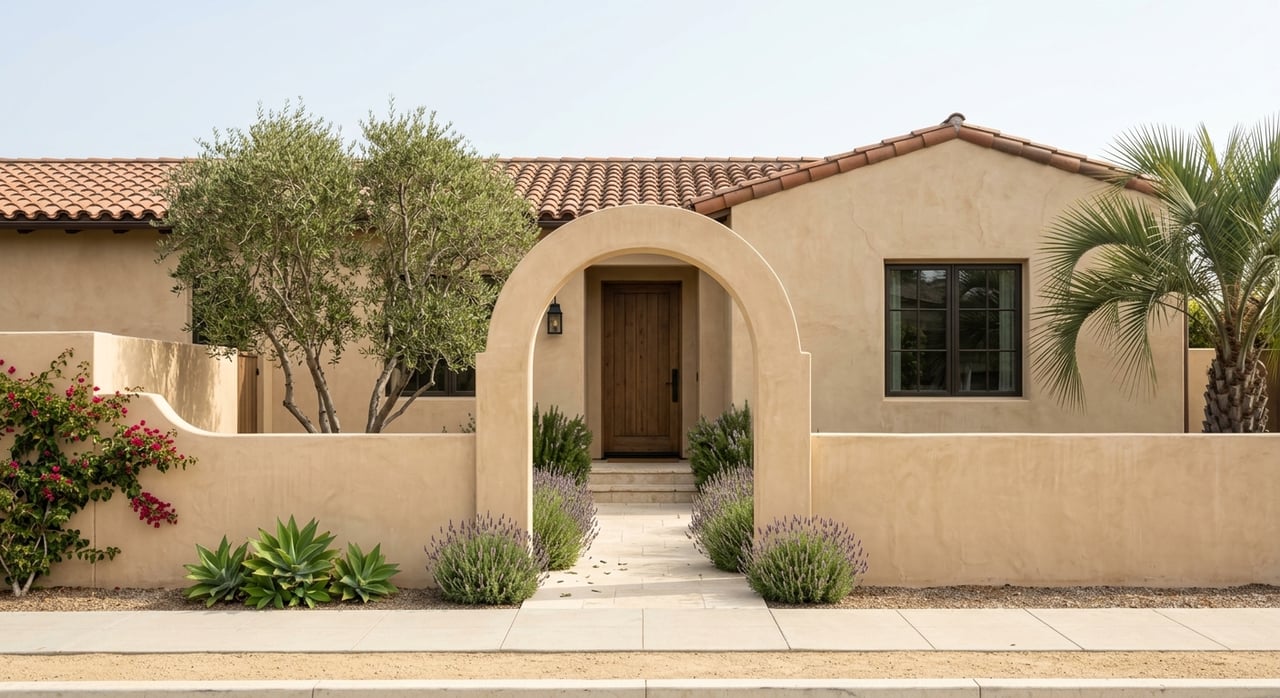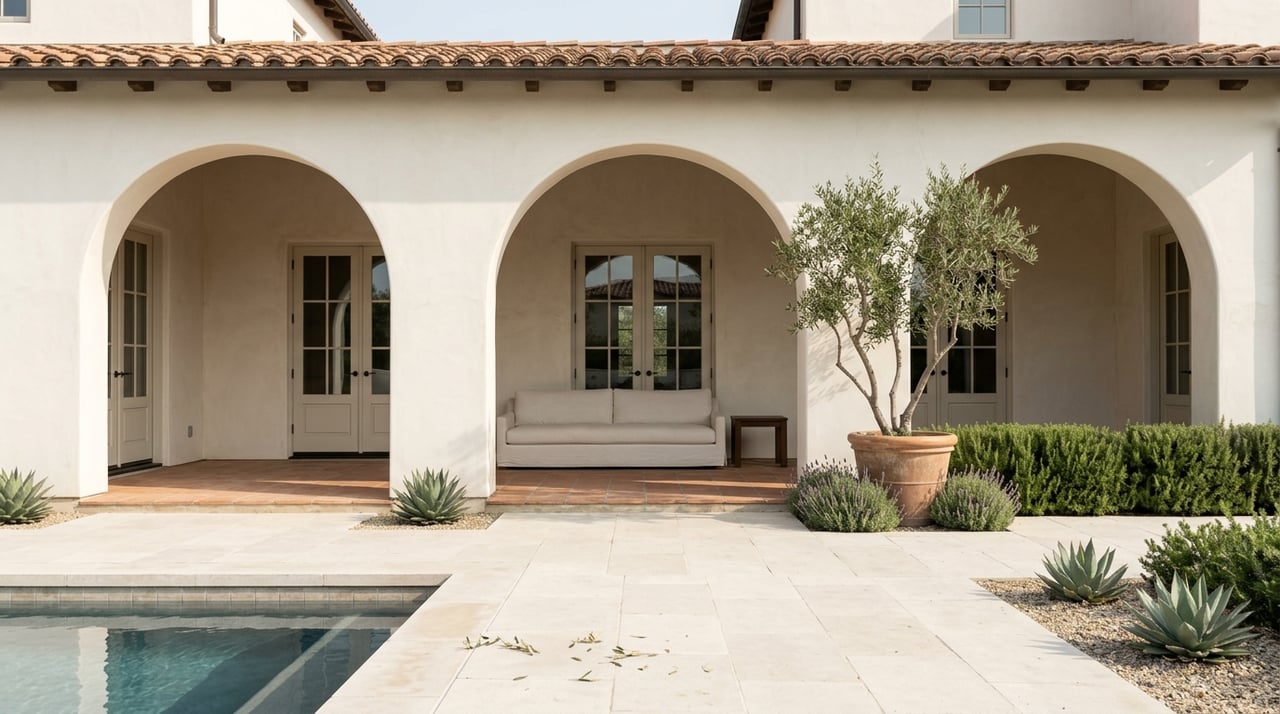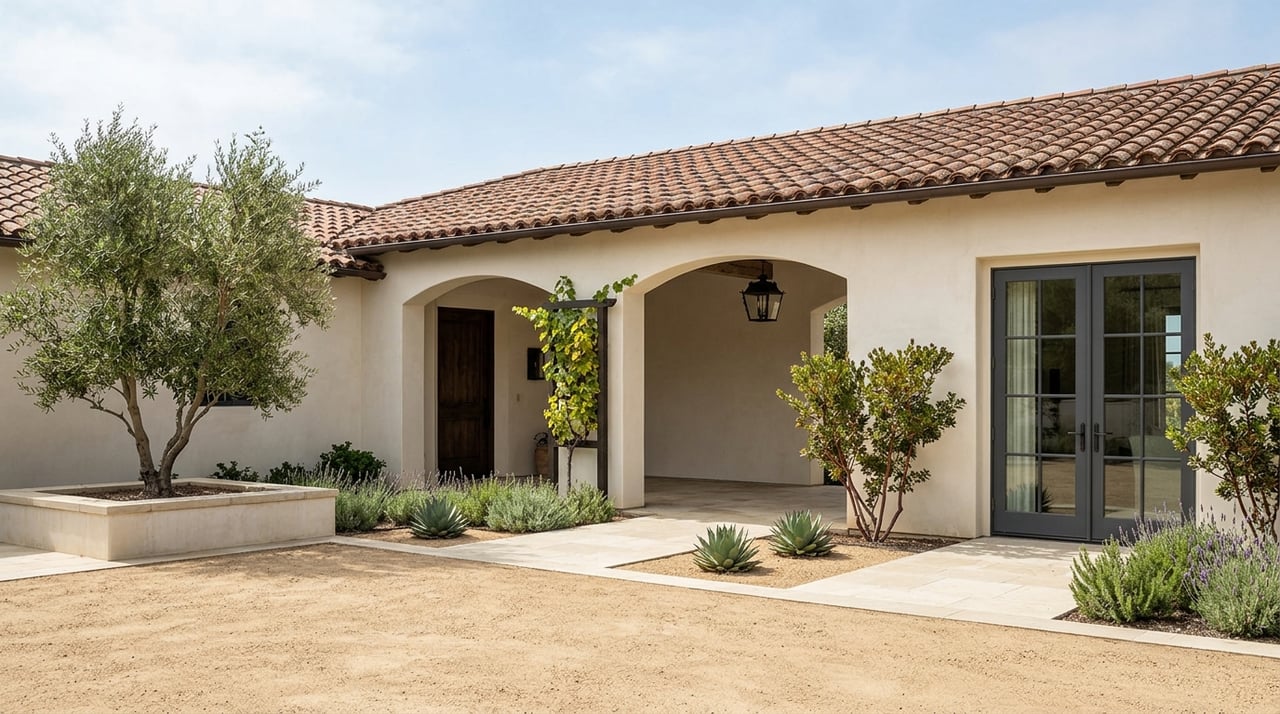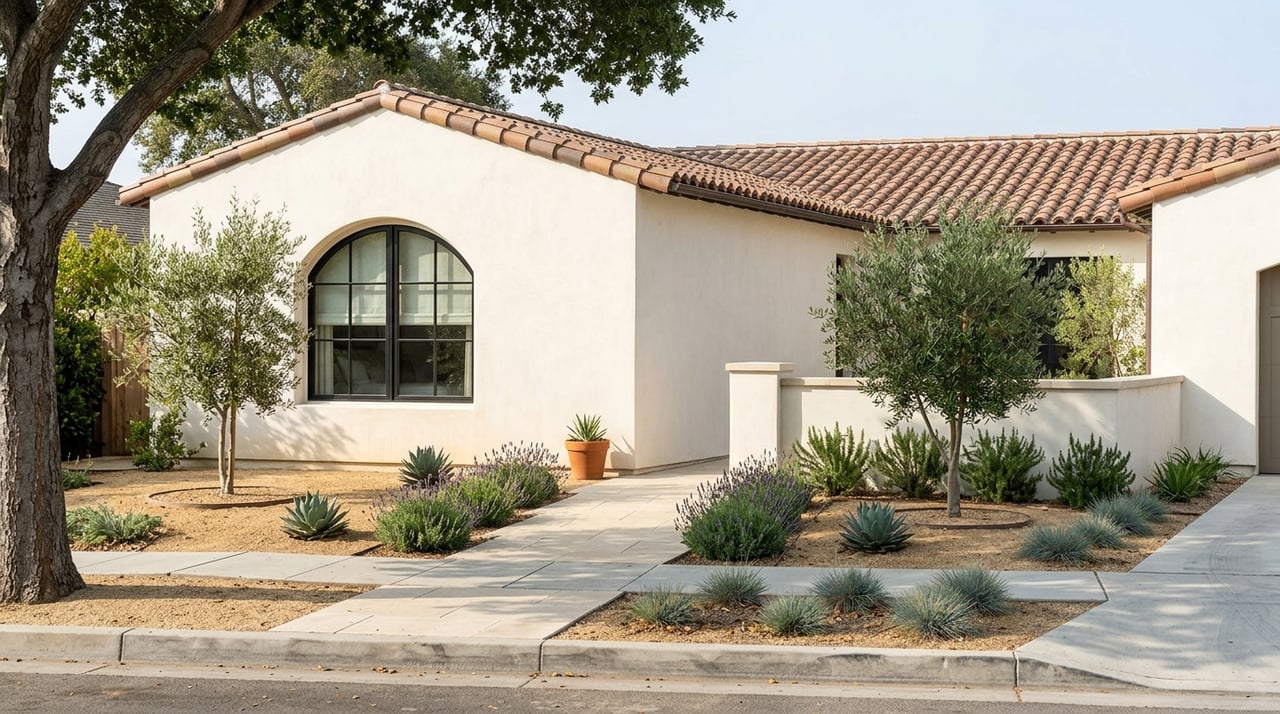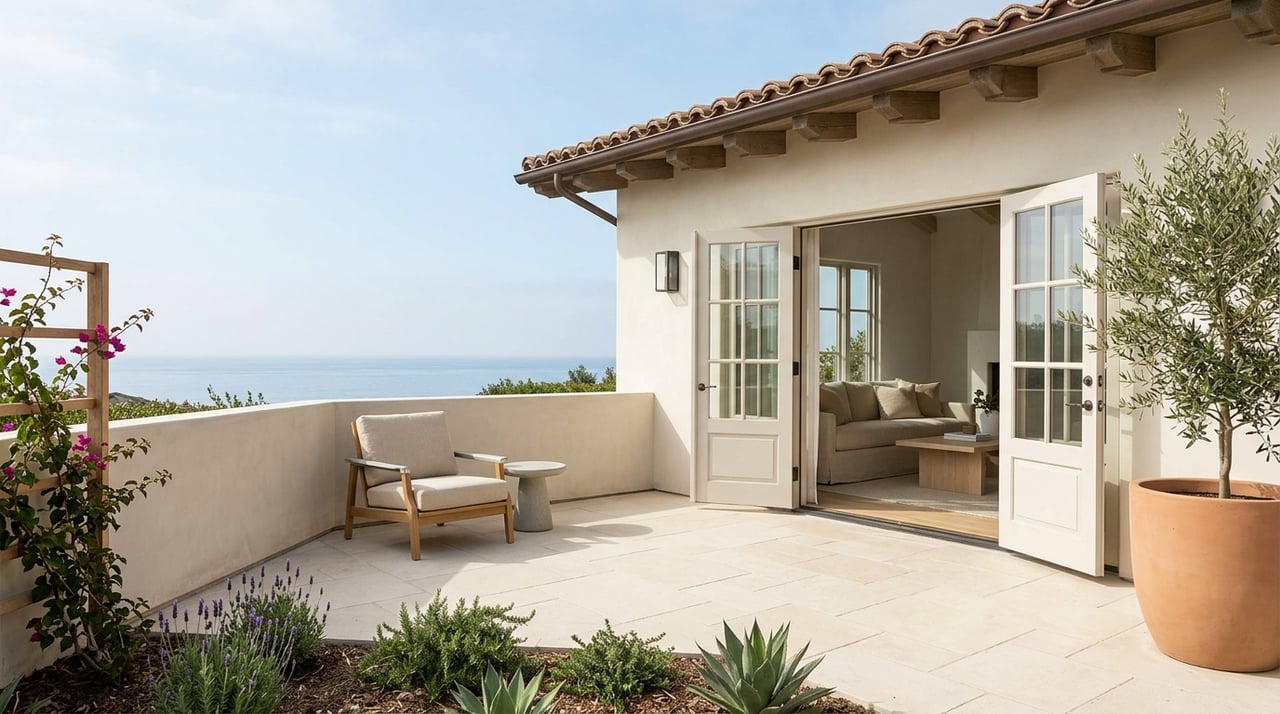
If you are buying in Summerland, the real question is often not whether you want the area, but which version of Summerland fits the way you want to live. In a small coastal community, a beach cottage and a hillside view home can offer very different day-to-day experiences. This guide will help you compare the tradeoffs, understand the local property factors that matter most, and narrow your search with more confidence. Let’s dive in.
Why Summerland Feels So Distinct
Summerland is a small coastal community in Santa Barbara County with 1,222 residents as of the 2020 Census. County planning documents describe it as a place with several clearly different land patterns, including a small urban core, a beachfront area south of U.S. 101, and a rural and foothill area with larger lots and steeper slopes.
That matters because Summerland does not read like one uniform neighborhood. It feels more like a collection of small pockets, each with its own rhythm, lot pattern, access challenges, and property constraints. For a buyer, that means the right home is not just about style or square footage. It is also about where the parcel sits and what comes with that location.
Beach Cottage Living in Summerland
What draws buyers to the coastal edge
A beach cottage usually appeals to buyers who want easy beach access, a village-scale setting, and the charm that often comes with smaller coastal homes. In Summerland, that lifestyle is tied closely to the beachfront edge and coastal strip, where proximity to the water shapes the feel of the property.
This part of town can offer character and convenience, but it often comes with tighter site conditions. County documents note that the beachfront area south of U.S. 101 is separated from the rest of the community by both the highway and railroad tracks. That physical separation can affect how connected you feel to the rest of Summerland during daily errands or routines.
Why lot pattern matters near the beach
In the Padaro Lane portion of Summerland’s coastal edge, county planning documents say development began in 1920 as the Town of Serena. The area was laid out in narrow lots perpendicular to Padaro Lane, with six bluff-top parcels included in the plan area.
For buyers, that historic pattern helps explain why some coastal properties may feel more compact or highly site-specific. A beach cottage may offer a special location, but the lot itself can create limits around privacy, expansion, or redesign. In Summerland, coastal real estate often rewards careful parcel-level review.
What to expect with permits and coastal review
Because about 97% of Summerland lies in the Coastal Zone, beach-adjacent purchases often involve more review than a typical inland home. Santa Barbara County’s subdivision code states that parcels in coastal-zone districts subject to the Coastal Land Use Plan and Coastal Zoning Ordinance need a Coastal Development Permit before final map recording.
Even if you are not planning major work right away, future plans matter. If you hope to remodel, expand, or substantially rework the property, you will want to understand early whether coastal review could affect your timeline, design, or approvals.
Hillside View Home Living in Summerland
What changes as you move uphill
Hillside and foothill homes in Summerland tend to appeal to buyers who value more privacy, larger lots, and broader ocean or mountain views. County planning documents describe the rural area as low-density residential and agricultural land with substantially larger lots, varied topography, and foothill slopes of roughly 25% to 40%.
That setting can create a very different lifestyle from a beach cottage. You may gain more separation, more visual openness, and a stronger sense of retreat. At the same time, the property itself often becomes a bigger part of the buying decision.
Why slope affects future plans
Santa Barbara County land-division rules for hillside and special-treatment areas recognize that hillside terrain, water frontage, and native vegetation can create issues related to fire, flood, erosion, circulation, sewage, slippage, and subsidence. The code also emphasizes preserving natural slopes and notes that a preliminary grading plan may be required where natural slopes of 10% or more are present.
For you as a buyer, that means renovation potential is rarely just about interior square footage. On a hillside parcel, slope, drainage, grading, and vegetation management can shape what is practical in the future. A view home may deliver a dramatic setting, but the site conditions deserve just as much attention as the house itself.
Beach Cottage vs. Hillside View Home
If you are choosing between these two lifestyles, it helps to focus on how you want to live in the property day to day.
| Home Type | Often Appeals To Buyers Who Want | Common Tradeoffs |
|---|---|---|
| Beach cottage | Beach access, coastal character, a more compact village feel | Tighter lots, less privacy, more coastal review, access separated by U.S. 101 and railroad tracks |
| Hillside view home | Privacy, larger lots, broader views, a more secluded setting | Steeper terrain, more site-specific engineering, grading and drainage considerations |
Neither option is automatically better. In Summerland, the stronger choice is usually the one that best matches your lifestyle priorities, your tolerance for property constraints, and your plans for future improvements.
How Daily Access Can Shape Your Decision
One of the most practical questions in Summerland is how you want to move through your day. County planning documents describe the commercial core as the most walkable part of town, with small businesses, restaurants, retail shops, services, offices, and inns. Circulation improvements have added sidewalks, angled parking, landscaping, crosswalks, bus stops and shelters, and retaining walls.
That means buyers who value a more walkable routine may want to pay close attention to how close a property sits to the urban grid. By contrast, beach-area access is shaped by the barrier created by U.S. 101 and the railroad tracks. A home that looks close on a map may feel different in practice once you account for the actual route in and out.
Utility and Service Questions to Check Early
Summerland’s housing conversation is also shaped by infrastructure. The Summerland Sanitary District provides wastewater collection, treatment, and disposal for about 472 wastewater connections.
That may sound like a technical detail, but it can be important if you are thinking about additions, reconfiguration, or future improvements. Before assuming a property can be expanded easily, it is smart to confirm wastewater service status and whether the parcel falls within district service boundaries.
Hazard Review Is Part of Buying Smart
In a coastal and hillside market like Summerland, buying smart means looking beyond finishes and views. County emergency planning materials direct buyers to review flood-risk and tsunami-hazard maps, and county rules highlight the added considerations that come with bluffs, slopes, and other special-treatment areas.
That does not mean every property carries the same level of concern. It does mean parcel-specific review matters. If you are comparing a beach cottage and a hillside home, hazard context should be part of your decision from the start, especially if a remodel or expansion is part of your long-term plan.
What the Market Data Really Suggests
Summerland is a very thin market, so public metrics can vary sharply. Recent public snapshots reported very different numbers, including a median sale price of $13.95 million over the three months ending April 2026, an average Summerland home value of $3.05 million as of April 30, 2026, and a median close price of $2.04 million in a late-2025 market report.
The key takeaway is not that one number is right and another is wrong. It is that Summerland is small enough that a single high-end sale can move public medians quickly. If you are comparing a beach cottage with a hillside view home, it is better to think in terms of property-specific value, location quality, and current inventory than to rely on one headline number.
Questions to Ask Before You Choose
If you are serious about buying in Summerland, these are some of the most useful questions to ask early:
- Is the parcel in the Coastal Zone?
- Would your planned work trigger a Coastal Development Permit?
- Is the property on or near a bluff, steep slope, or other special-treatment area?
- How easy is daily access to the beach or village core from this specific location?
- What is the wastewater service status for the parcel?
- Have flood-risk and tsunami-hazard layers been checked?
These questions can help you compare two attractive homes more clearly. They also help you avoid treating all Summerland properties as interchangeable when they are not.
Choosing the Right Summerland Fit
A beach cottage can offer immediacy, charm, and a strong connection to the coast. A hillside view home can offer privacy, scale, and a sweeping sense of place. In Summerland, the better fit usually comes down to how you want to live, how much complexity you are comfortable with, and what you may want to do with the property over time.
If you want a clear, property-specific view of the tradeoffs, local guidance matters. Summerland is small, nuanced, and highly parcel-driven. Working with an advisor who understands the micro-patterns of the area can make the search more focused and the decision more confident.
Whether you are drawn to a cottage near the coast or a home set higher in the hills, Andrea O'Loughlin can help you evaluate Summerland with the local insight and hands-on guidance this market deserves.
FAQs
What is the main difference between a beach cottage and a hillside view home in Summerland?
- A beach cottage often offers closer beach access and a more compact coastal setting, while a hillside view home often offers more privacy, larger lots, and broader ocean or mountain views.
Are most Summerland properties in the Coastal Zone?
- Yes. County planning documents describe about 97% of Summerland as lying within the Coastal Zone, which can affect permitting and future property improvements.
Do Summerland beach properties face unique access issues?
- Yes. County documents note that the beachfront area south of U.S. 101 is separated from the rest of Summerland by the highway and railroad tracks, which can affect daily access.
What should buyers know about Summerland hillside lots?
- Hillside lots may involve steeper slopes, grading review, drainage considerations, and other site-specific factors that can influence renovation or expansion plans.
Why is Summerland pricing hard to summarize with one number?
- Summerland is a very small market with limited inventory and few sales, so one high-end transaction can shift public price metrics quickly.
What utility question should buyers ask about a Summerland property?
- Buyers should confirm wastewater service status and whether the property is within Summerland Sanitary District service boundaries, especially if future improvements are being considered.